 Live
Live
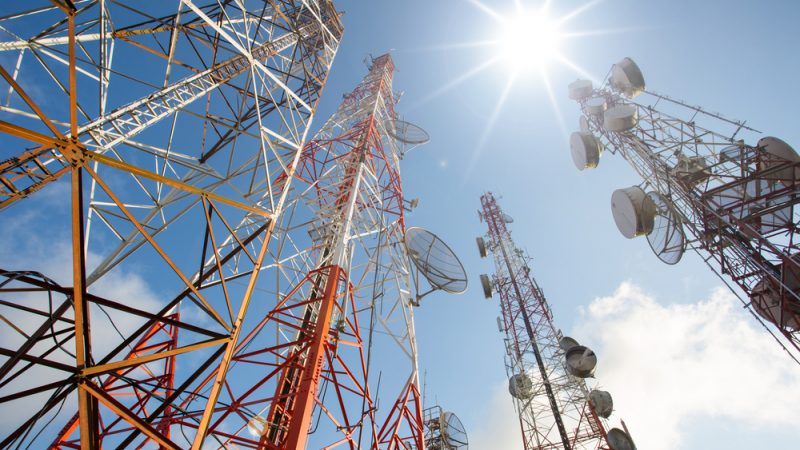
The Cellular Operators Association of India (COAI) has demanded a law that addresses the want for “convergence” of various digital services. It would include telecommunication connectivity, carrying broadcasting content, and over-the-top (OTT) communication services provided using any technology or satellite-based communication network, terrestrial or non-terrestrial. The telecom Industry was retorting to a DOT consultation paper that aims at studying the existing legal and regulatory provisions governing telecommunications.
In the submission, COAI informed that the outcome of the consultation process should result in developing a converged law and regulation for telecom (for the terrestrial and satellite) broadcasting and IT, also addressing the legal and regulatory issues related to data privacy.
The technology and digital landscape of the sector are extremely dynamic. The cellular operators association has said, to meet the requirements of rapidly changing technologies and industry dynamics as far as possible, there is an urge for a law that should be future-proof. With the adoption rate of High-speed broadband networks, consumers are demanding a content experience across all platforms (TV, smartphone, and PC). Says COAI submission report.
Further, it reads that the deployment of digital technologies has led the way to market convergence and ‘intermodal’ competition, as the OTT applications, cable, broadcasting, and Wireless network provide voice, video, and data services on a single broadband platform. It further pointed out that the cloud-based services, advancement of Artificial Intelligence, and regulation of big data to newer services would contribute to more convergence.
- NTPC Green Energy Adds 50 MW Solar Power in Rajasthan
- Coffee Day Enterprises Settles Rs 25 Cr Loan With Kemfin
- GST Collections Rise 14.7% to Rs 2.04 Lakh Crore in September
- GPT Infraprojects Bags Rs 385 Cr South Africa Rail Order
- Cabinet Backs Rs 1.86 Lakh Cr Plan for Green Power Grid
The telecom association has appealed to lessen the license fee stating that it should be charged towards the administration’s expenses only and be brought down to 0.5–1% from 3% of the AGR.