 Live
Live
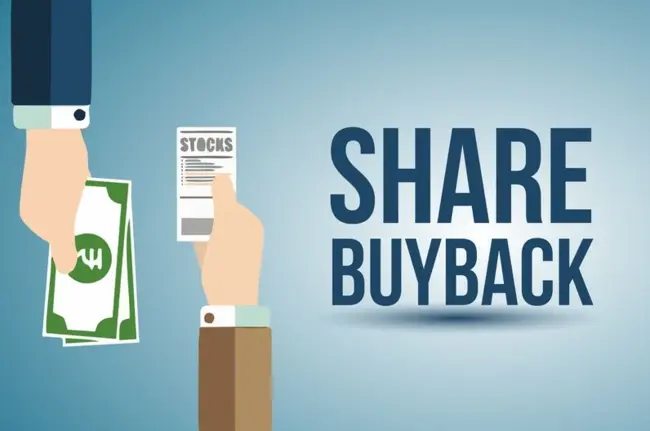
Companies often implement strategic measures to enhance shareholder value, and one of the most impactful approaches is a share buyback. This decision not only influences stock prices but also reshapes shareholder dynamics, making it critical for businesses and investors alike. Let’s dive into its meaning, key reasons, and potential impact.
Understanding Share Buybacks
A share buyback, also called a share repurchase, occurs when a company purchases its own shares from existing shareholders by paying cash. This reduces the number of shares available in the market. Unlike an Initial Public Offering (IPO), where new shares are issued, buybacks aim to consolidate shares and potentially boost shareholder value.
To ensure transparency and legal compliance, companies in India must adhere to the Securities and Exchange Board of India (Buy-back of Securities) Regulations, 2018, and the Companies Act, 2013.
Unlock profitable opportunities every day! Unicorn Signals provides actionable intraday trading signals for stocks and futures. Don’t miss out – download Unicorn Signals and start winning now!
Share Buyback Example
Suppose a company has 1,000 shares and earns Rs 1,00,000 in profit. Its Earnings Per Share (EPS) is Rs 100 (Rs 1,00,000 ÷ 1,000). After buying back 200 shares, the total share count reduces to 800, increasing the EPS to Rs 125 (Rs 1,00,000 ÷ 800). This simple move raises shareholder value.
How Share Buybacks Work in India
To execute a buyback in India, companies follow these structured steps:
1. Announcement:
The company announces its plan, detailing the number of shares to be bought and the price range.
2. Approval:
The proposal is first approved by the Board of Directors and then presented to shareholders for final approval.
3. Tender Offer or Open Market:
After approvals, a record date is set. Shareholders listed on this date can participate through either:
- Tender Offer: Company offers to buy shares at a price higher than the market rate.
- Open Market: Company repurchases shares from the market over time.
4. Payment and Share Cancellation:
The company buys back the shares, pays shareholders in cash, and either cancels or retains the shares for future issuance.
Reasons Behind Share Buybacks
Companies opt for buybacks for several strategic reasons:
- Efficient Use of Excess Cash: Companies with surplus funds often repurchase shares when growth opportunities are limited.
- Consolidation of Ownership: Buybacks reduce the number of shares, increasing the ownership stake of major shareholders.
- EPS Boost: Fewer shares result in higher Earnings Per Share (EPS) and Return on Assets (ROA), potentially lifting stock prices.
- Sign of Undervaluation: When companies believe their stock is undervalued, buybacks signal confidence and may improve market sentiment.
- Tax Benefits: Repurchased shares aren’t taxed, and companies can claim costs as capital loss, reducing their tax burden.
Impact of Share Buybacks
Share buybacks have significant implications for both companies and shareholders:
- Improved Financial Ratios: EPS, ROA, and Return on Equity (ROE) often rise due to reduced shares.
- Reduction in Reserves: Companies may exhaust financial reserves, limiting future investments.
- Easy Exit for Shareholders: Shareholders receive immediate cash, often at a premium.
- Increased Long-Term Wealth: Remaining shareholders may benefit from higher share prices and market confidence.
- Positive Market Perception: Buybacks signal a company’s strong financial health and growth prospects.
Pros of Share Buybacks
🟢 Efficient use of excess cash
🟢 Optimisation of the capital structure
🟢 Positive signal to the market about company growth
🟢 Defense against hostile takeovers
🟢 Increased promoter stake for potential delisting
🟢 Boost to financial ratios
🟢 Higher dividend yields for shareholders
Cons of Share Buybacks
🔴 Risk of misleading financial metrics due to share reduction
🔴 Potential misvaluation by management
🔴 Hindrance to growth investments and strategic projects
🔴 Ethical concerns regarding promoter control
Bottomline
Share buybacks can be a win-win strategy for both companies and shareholders when executed thoughtfully. They indicate financial confidence, boost key metrics, and create shareholder value. However, poorly timed or mismanaged buybacks may limit growth and raise ethical concerns. Therefore, a balanced approach is essential for maximising the benefits.
Frequently Asked Questions (FAQs)
- What is a share buyback?
A share buyback is when a company repurchases its own shares from shareholders, reducing the total shares available in the market.
- Why do companies opt for share buybacks?
Companies often buy back shares to utilise excess cash efficiently, increase EPS, consolidate ownership, and signal confidence in their growth.
- How does a buyback impact shareholders?
It offers shareholders an immediate cash exit, often at a premium price, while those who hold shares may benefit from increased long-term value.
- Are there any risks associated with share buybacks?
Yes, risks include potential misvaluation, limited growth investments, and ethical concerns over promoter control.
Curious About Any Stock? Ask the Analyst.