 Live
Live
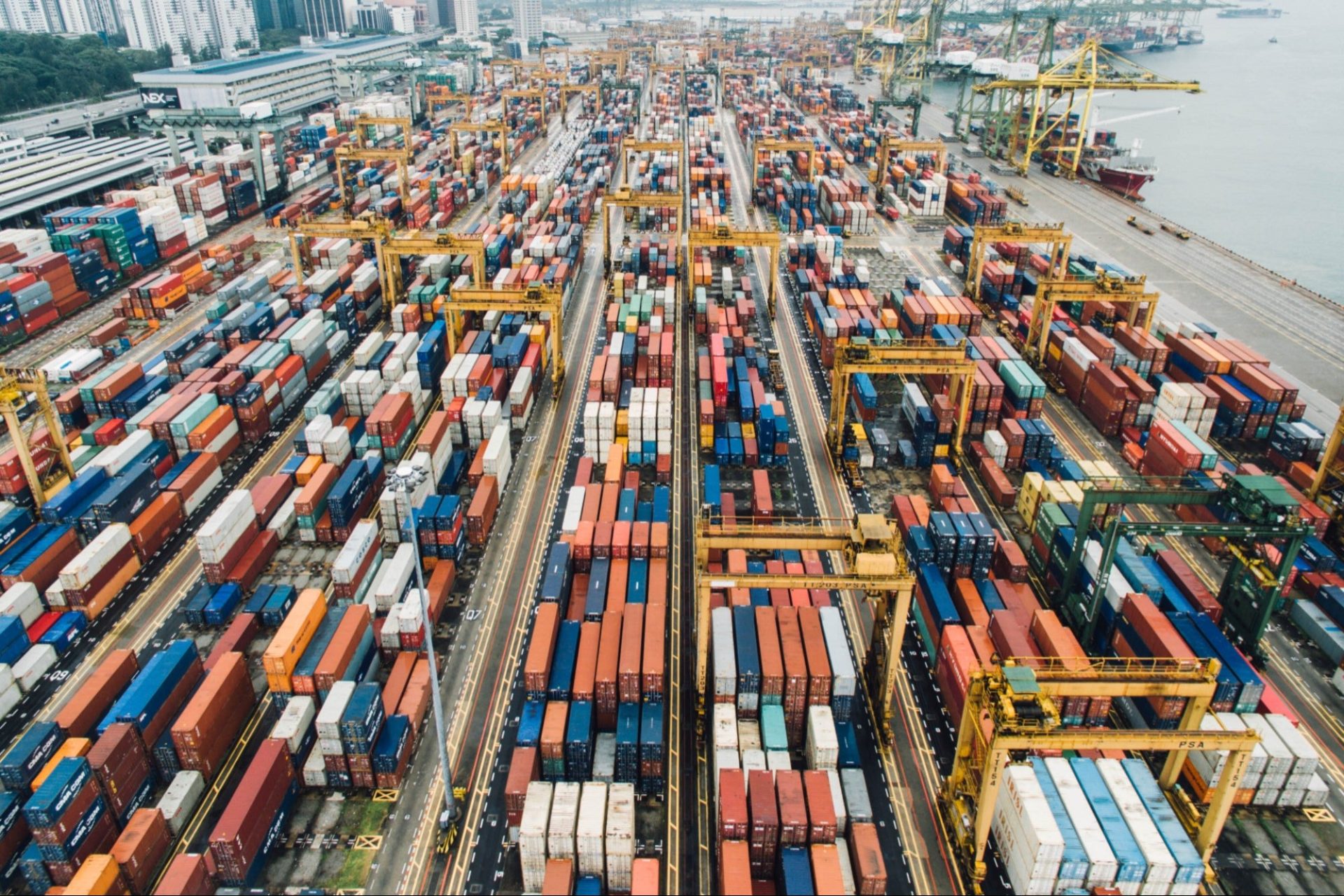
Japan’s exports fell 2.6% in July, marking the steepest drop in more than four years, as US tariffs hit global trade. The decline, worse than forecasts, was driven by cars, auto parts and steel. Export volumes rose 1.2%, indicating that Japanese firms are adjusting prices to offset tariff costs.
Imports fell 7.5% due to lower shipments of crude oil, coal, and LNG, but Japan still posted a trade deficit of ¥117.5 billion.
Shipments to the US decreased 10.1% in value, with car exports falling 28.4% and auto parts exports dropping 17.4%. Vehicle volumes also slipped 3.2%, highlighting pressure on carmakers. Toyota has already warned of a ¥1.4 trillion loss due to US tariffs.
The US imposed a 25% tariff on Japanese cars and parts starting in April, along with other levies on steel and a broad range of goods. A trade deal in July promised lower tariffs, but the timing of implementation remains unclear.
Exports to China fell 3.5% and to Europe 3.4%, adding to global weakness. Economists expect Japan’s economy to contract in Q3 as falling exports combine with fragile consumer spending.
The Bank of Japan is likely to remain cautious ahead of its September policy meeting, closely monitoring how tariffs and global demand impact Japan’s outlook.
Ready to invest like a pro? Unicorn Signals app equips you with 100+ Free tools and knowledge you need to succeed. Download the Unicorn Signals app and gain access to daily stock lists and insightful market analysis and much more!