 Live
Live
India’s ultra-low October inflation and strong GDP outlook have put the Reserve Bank of India (RBI) in a tricky position ahead of its next policy meeting on 5th December.
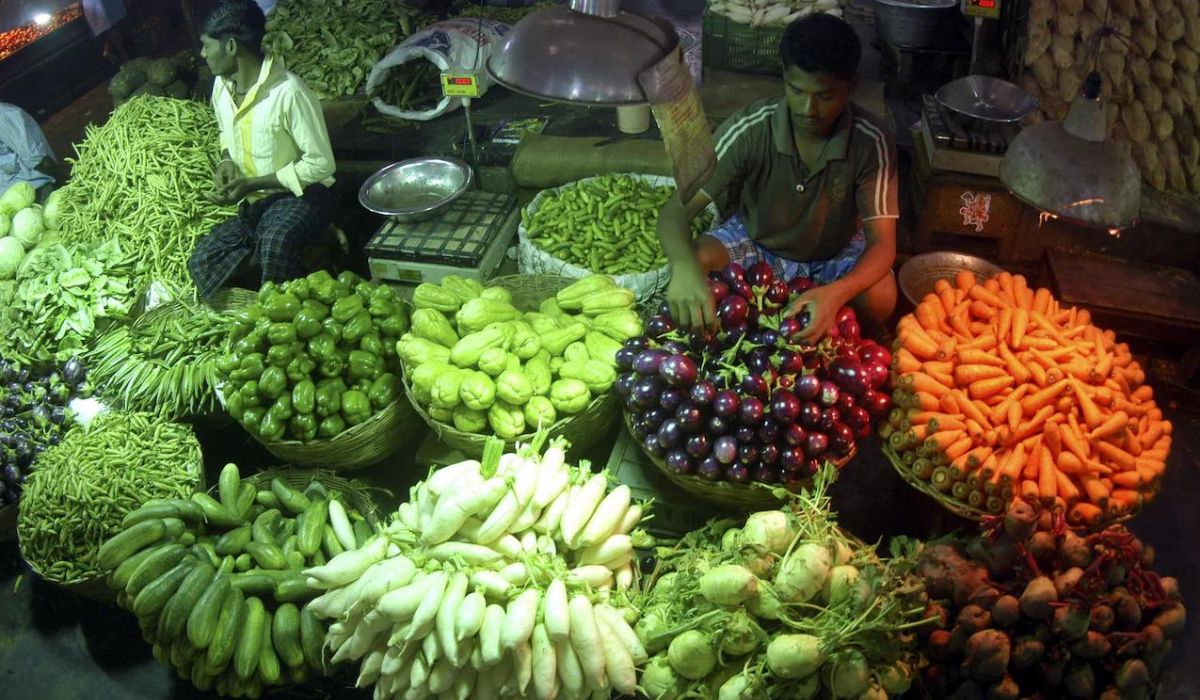
CPI inflation for October came in at just 0.25%, far below the RBI’s 2–6% target range. Inflation has stayed under 2% for three of the last four months. It is expected to remain there until December. Food inflation has also been in deflation for five months. Prices of key items like cereals, pulses, milk, and vegetables remain flat or are falling. This trend is unusual during the Diwali season.
Even core inflation, which excludes food and fuel, has softened. While it stood at 4.3%, removing gold’s impact brings it down to about 2.6–2.7%. This persistent disinflation suggests monetary policy may now be too tight. India’s real interest rate is estimated to be over 3.5%.
However, despite low inflation, the RBI may hesitate to cut rates immediately. Economists expect India’s Q2 FY26 GDP, due on 28th November, to show strong growth above 7%. It could even be 7.5%, helped by a low inflation deflator. The RBI could argue that with growth this robust, there’s “room” but no urgency to ease rates. They might delay any move to the February policy meeting.
By then, inflation will likely stay below 2%. Growth forecasts may still exceed 7%. This creates a policy dilemma: inflation is far below target, yet growth remains strong. The RBI must also consider that nominal GDP growth has slowed to around 8.5–9%. Technical issues, such as the GDP deflator and upcoming revisions to CPI and GDP data, could further complicate forecasts.
In short, the RBI faces a rare “good dilemma” — inflation is comfortably low, and growth is solid. The challenge now is to strike the right balance between supporting growth and avoiding premature rate cuts.
Ready to invest like a pro? Unicorn Signals app equips you with 100+ Free tools and knowledge you need to succeed. Download the Unicorn Signals app and gain access to daily stock lists and insightful market analysis and much more!