 Live
Live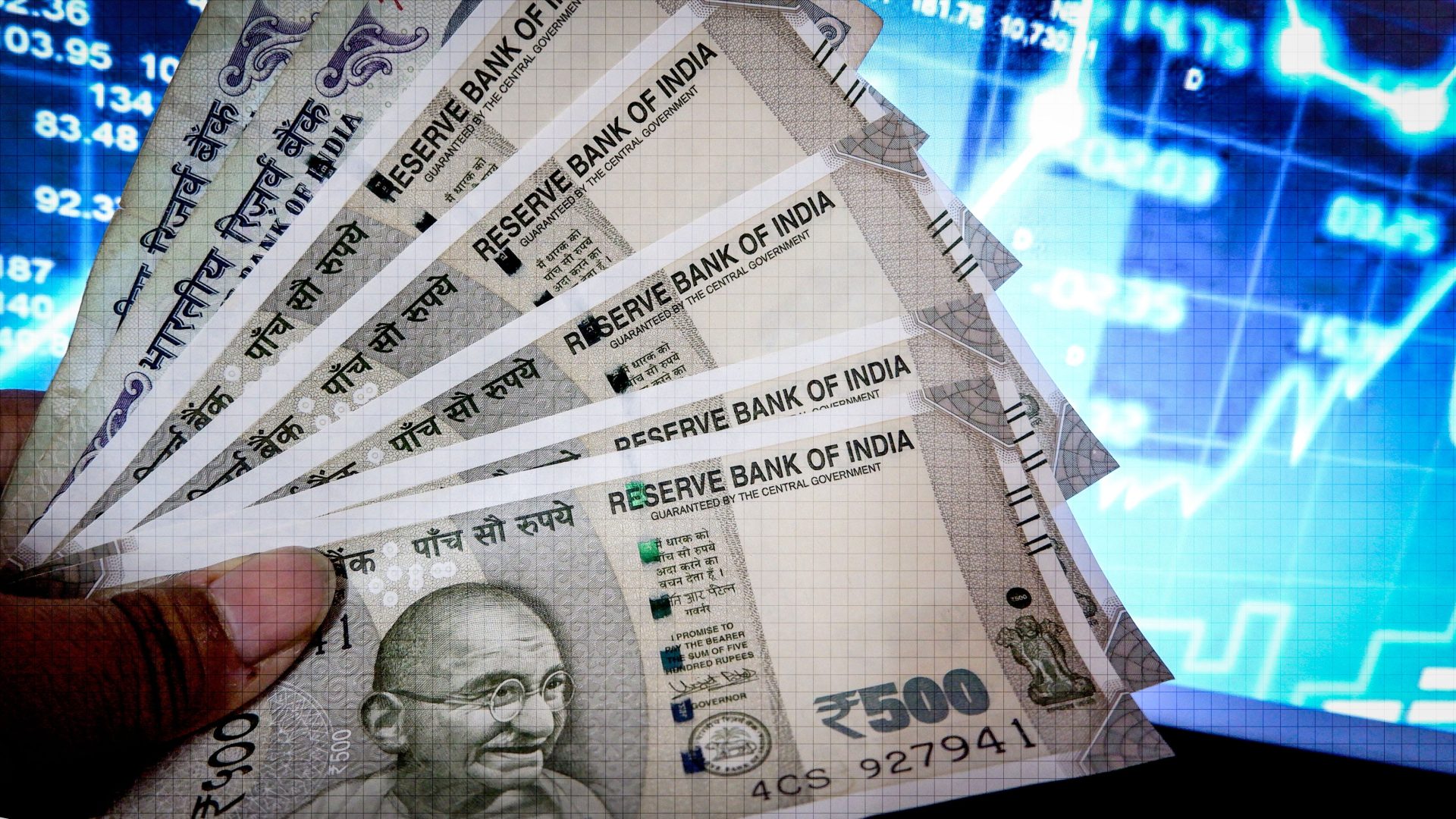
India’s rupee has emerged as Asia’s weakest currency in 2025 — and it’s now heading for its biggest yearly fall since 2022. Back then, the Russia-Ukraine war sent oil prices soaring above $100 per barrel, hurting a country that relies on imports for nearly 90% of its crude.
This time, the pressure is different. Higher US tariffs on Indian exports and massive withdrawals by foreign investors have weighed heavily on the currency. To stem the slide, the Reserve Bank of India has sold over $30 billion in foreign-currency assets since late July. This action prevented a fresh all-time low in mid-October. But on 21st November, the rupee still hit a record 89.48 per dollar. This was a sign the RBI may have paused its defense to conserve reserves amid uncertain US trade negotiations.
What triggered the fall?
The rupee began weakening in January, briefly recovered in March–April, and even touched 83.75 per dollar in early May. At that time, hopes were high for a US-India trade pact. But sentiment flipped in July after President Trump announced steep tariffs. He also warned India over purchases of Russian energy and weapons.
By August, most Indian exports faced a 50% tariff — the highest in Asia. There was also an additional 25% penalty for trade linked to Russia. As a result, the rupee tumbled past 88 per dollar. Things worsened in September after reports of possible Europe-wide penalty tariffs. Moreover, a proposed hike in the H-1B visa fee to $100,000 was introduced. This move hits Indian workers the hardest.
Foreign investors reacted sharply. With tariffs rising, valuations high, and growth concerns building, they pulled nearly $16.3 billion from Indian equities by 25th November. This amount is close to the record outflows of 2022. This exodus piled further pressure on the rupee.
Has the RBI been intervening?
The central bank typically steps in only to reduce volatility. It does not defend a particular level. It sells dollars from its $693-billion reserves or uses offshore derivatives to calm sharp moves. Traders believe the RBI intervened at various points this year, especially in February and October. But the sudden dive on 21st November suggested it held back. This move was likely to preserve ammunition in case US trade talks drag on.
Why is the rupee doing worse than its Asian peers?
Unlike many Asian economies that are running current account surpluses, India still runs a deficit — importing more than it exports. That means constant demand for US dollars. At the same time, India faces harsher US tariffs than others, making its exports less competitive.
The RBI Governor Sanjay Malhotra has downplayed the depreciation. He noted that a weaker rupee is natural when India’s inflation is higher than that of advanced economies. Still, the combination of tariffs, foreign outflows, and a structural current account deficit has made the rupee Asia’s biggest underperformer this year.
Ready to invest like a pro? Unicorn Signals app equips you with 100+ Free tools and knowledge you need to succeed. Download the Unicorn Signals app and gain access to daily stock lists and insightful market analysis and much more!