 Live
Live
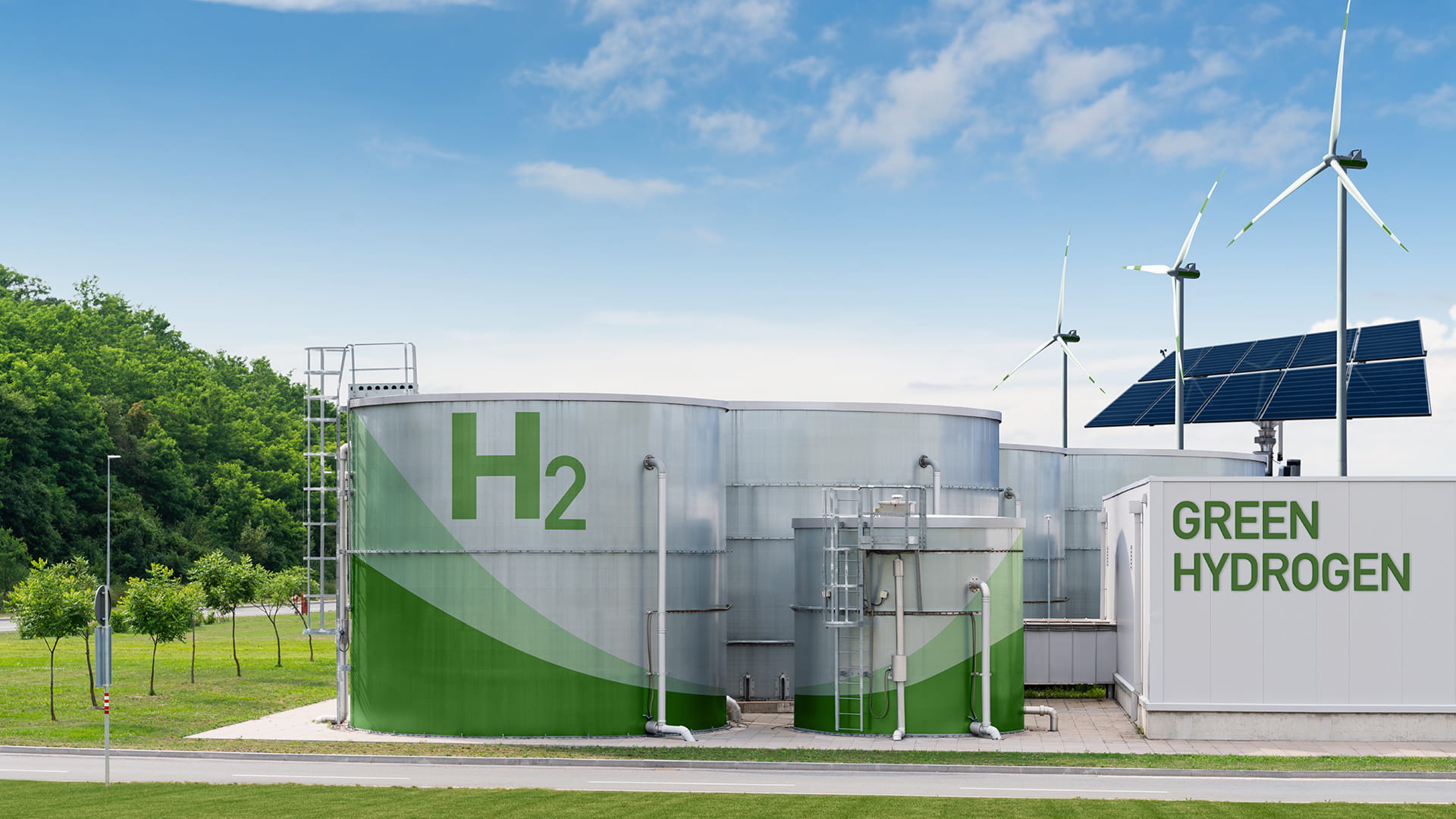
India has introduced official standards to define what qualifies as green ammonia and green methanol, a move aimed at advancing the National Green Hydrogen Mission.
The Ministry of New and Renewable Energy said the standards, notified on 27th February, set emission limits and eligibility criteria for these fuels to be classified as “green.” Both fuels must be produced using green hydrogen generated from renewable energy sources.
Under the framework, green ammonia must have greenhouse gas emissions of no more than 0.38 kg of carbon dioxide equivalent per kilogram of ammonia. This is calculated as an average over the previous 12 months. For green methanol, the limit is 0.44 kg of carbon dioxide equivalent per kilogram over the same period.
The rules also allow carbon dioxide used in green methanol production to come from biogenic sources, direct air capture, or certain industrial emissions. The ministry said the list of eligible sources may be updated in the future.
Renewable energy used in production can include electricity generated from renewable sources. This energy may be stored or banked with the power grid as per regulations.
The government said detailed guidelines for measurement, monitoring, verification and certification will be issued separately.
Existing tenders announced before the notification will continue under their original terms. However, companies may align them with the new standards if both sides agree.
Officials said the standards are expected to provide clarity for companies and investors developing green hydrogen-based fuels. Furthermore, the rules should help cut emissions in sectors such as fertilisers, shipping, power and heavy industry.
Ready to invest like a pro? Tradz by EquityPandit equips you with 100+ Free tools and knowledge you need to succeed. Download the Tradz app and gain access to daily stock lists and insightful market analysis and much more!