 Live
Live
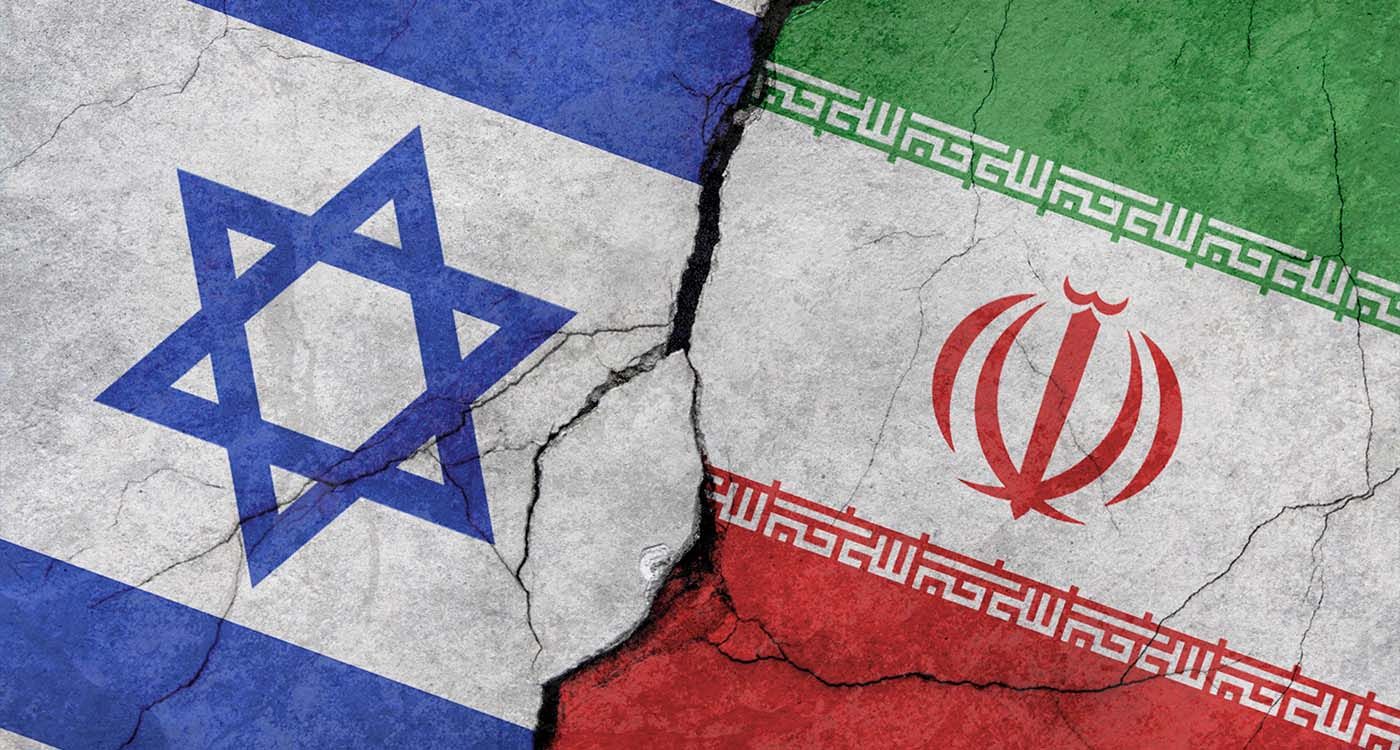
Iran’s missile campaign against Israel and Gulf states has visibly weakened, with fewer launches, smaller bursts, and a military that appears to be under serious strain.
The war started on February 28 when US-Israeli strikes killed Supreme Leader Ali Khamenei and hit missile infrastructure across multiple Iranian provinces. Iran struck back, but the trajectory has been one-sided. By late March, the IDF assessed Iran was firing roughly 10 to 15 missiles a day at Israel, down sharply from early in the conflict, according to ISW’s Iran Update dated March 31, 2026. Two of the three barrages recorded on March 31 each carried a single missile, per the same ISW report.
That’s not restraint. Combined strikes have damaged over 20 Iranian missile bases and four of its largest production sites, Khojir, Parchin, Shahroud, and Hakimiyeh, according to ISW reporting from March 29–31, 2026. The IDF announced on March 31 that it had struck 70% of Iran’s defence industrial base, as logged by ISW’s March 31 update. US Defence Secretary Pete Hegseth said on March 31 that the campaign has caused widespread desertions and key personnel shortages inside the IRGC, per the CTP-ISW Iran Update of March 31, 2026. ISW also reported that Iran lowered its recruitment age to 12 to fill logistics and checkpoint roles.
The Strait of Hormuz has become the more immediate pressure point. Iran has mined the waterway with at least a dozen naval mines, according to US officials cited by CBS News in mid-March 2026. Iran’s parliament passed a bill on March 30 asserting sovereignty over the strait and forcing vessels to negotiate passage with Tehran, per ISW’s March 31 report. More than 20 ships have already paid fees or taken Tehran-approved routes, as reported by maritime intelligence firm Lloyd’s List on March 23, 2026.
For India and other major oil importers, that gap is real. Middle East oil exports are down at least 60% since the war began, according to ISW-compiled tracking data up to March 30, 2026. War-risk surcharges on shipping have climbed. Energy prices face sustained pressure with no clear timeline for relief.
Diplomacy has gone nowhere. Three senior Tehran sources told Reuters on March 24, 2026, that Iran entered talks demanding sanctions relief, no limits on its missile programme, and formal control over the Strait of Hormuz. Washington has not moved.
On other fronts, Hezbollah is attacking Israeli forces from southern Lebanon with drones, rockets, and anti-tank missiles, per ISW’s March 31 update. Iranian-backed Iraqi militias remain active. European officials told Bloomberg on March 30 that Iran is pushing the Houthis to resume Red Sea operations if US strikes continue.
Iran’s missile capability is degraded, but it still controls a waterway that handles roughly a fifth of the world’s oil. With no deal and no ceasefire, the pressure on oil supply, shipping routes, and markets is not going away soon.
Ready to invest like a pro? Tradz by EquityPandit app equips you with 100+ Free tools and knowledge you need to succeed. Download the Tradz by EquityPandit app and gain access to daily stock lists and insightful market analysis and much more!