 Live
Live
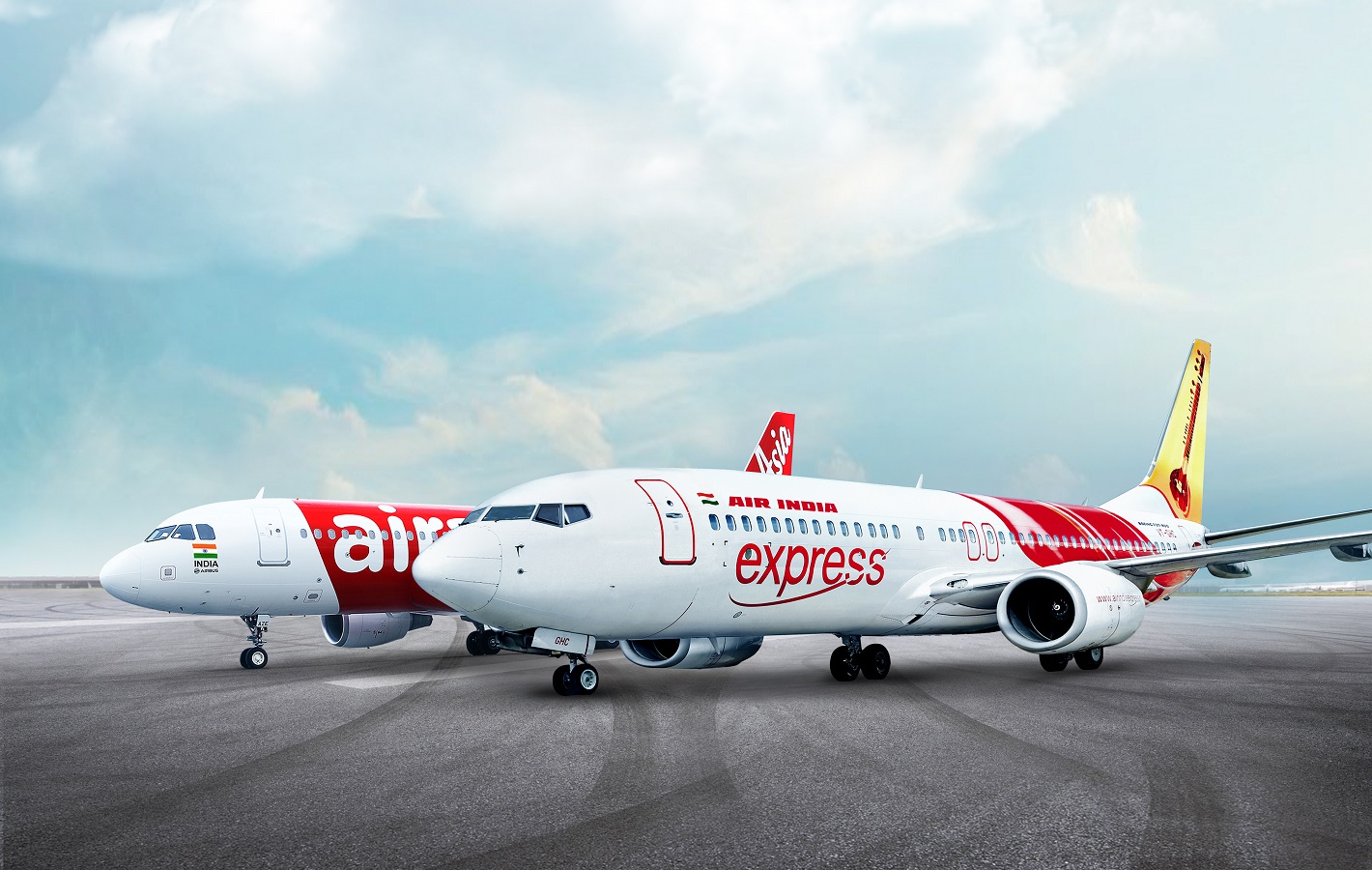
Air India and Air India Express posted a combined ₹22,238 crore loss in FY26, more than double last year’s, as revenue fell nearly 9%.
Air India alone brought in revenue of ₹51,452 crore and lost ₹15,368 crore. Air India Express added revenue of ₹19,088 crore but lost ₹6,767 crore of its own.
Put together, the numbers paint a picture of an airline still deep in the middle of a costly rebuild.
Tata Sons Chairman N Chandrasekaran, who also chairs Air India, addressed the scale of the challenge head on in his message to shareholders in the group’s latest annual report.
He said the airline’s transformation needs to be viewed as a five to ten year journey, not something that happens in a few quarters. His reasoning centres on how far the airline has to travel.
Years of supply chain delays have slowed the delivery of aircraft parts, legacy systems and processes need a full overhaul, and building a large enough pool of trained technical and airline staff simply takes time.
As he put it, no great airline in history was built quickly. He also pointed to a genuinely brutal year behind the numbers.
Airspace closures, a spike in fuel costs tied to conflict in West Asia, currency swings, and the AI171 crash all hit the airline within the same twelve months.
There were some bright spots too. Domestic narrow body aircraft have already been refurbished and are getting better feedback from flyers, while the wide body fleet overhaul is on track to wrap up by the end of FY28.
Customer satisfaction has also climbed sharply, with the airline’s Net Promoter Score moving from minus 35 in FY23 to plus 42 by June 2026.
Tata Sons regained control of Air India from the government in January 2022, and continues to hold the airline together with Singapore Airlines and an employee ownership scheme.
Ready to invest like a pro? Tradz by EquityPandit app equips you with 100+ Free tools and knowledge you need to succeed. Download the Tradz by EquityPandit app and gain access to daily stock lists and insightful market analysis and much more!