 Live
Live
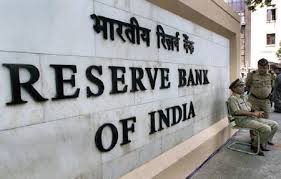
The Reserve Bank of India raised its repo rate by 25 basis points to 5.50% on 7 October, marking its first hike since Feb 2023 as inflation risks persist.
The Monetary Policy Committee changed its stance to “calibrated tightening” from “neutral”, signalling that future policy moves will depend on inflation trends and incoming economic data.
The rate at which the RBI lends money to banks is known as the repo rate. Before this decision, it stood at 5.25%. The rate increase could affect borrowers as banks may review lending rates.
Home loans, personal loans and vehicle loans linked to floating rates could become more expensive if banks pass on the higher borrowing cost.
Deposit rates may also see changes. Inflation remains a key concern for the central bank.
Retail inflation has stayed above the RBI’s 4% target in recent months, although it remains within the broader 2% to 6% tolerance range.
Food prices and other inflation risks continue to be areas of focus for policymakers. The RBI also revised its economic forecasts.
It now expects real GDP growth for FY27 at 7.1%, up from its earlier projection of 6.7%. The central bank raised its FY27 CPI inflation forecast to 5.2% from 5%.
The RBI’s latest move comes amid a strong growth outlook, with the Indian economy continuing to expand at a healthy pace.
The central bank said growth remains supported by domestic demand, investment activity and improving economic conditions.
The last repo rate increase was in February 2023, when the RBI raised the policy rate from 6.25% to 6.50%.
The central bank said inflation risks, global uncertainties and domestic economic conditions will continue to guide future policy decisions.
Feeling overwhelmed by the markets? Let Tradz by EquityPandit be your guide. Our user-friendly app simplifies complex data and provides actionable trading signals. Download the app today and trade with confidence!