 Live
Live
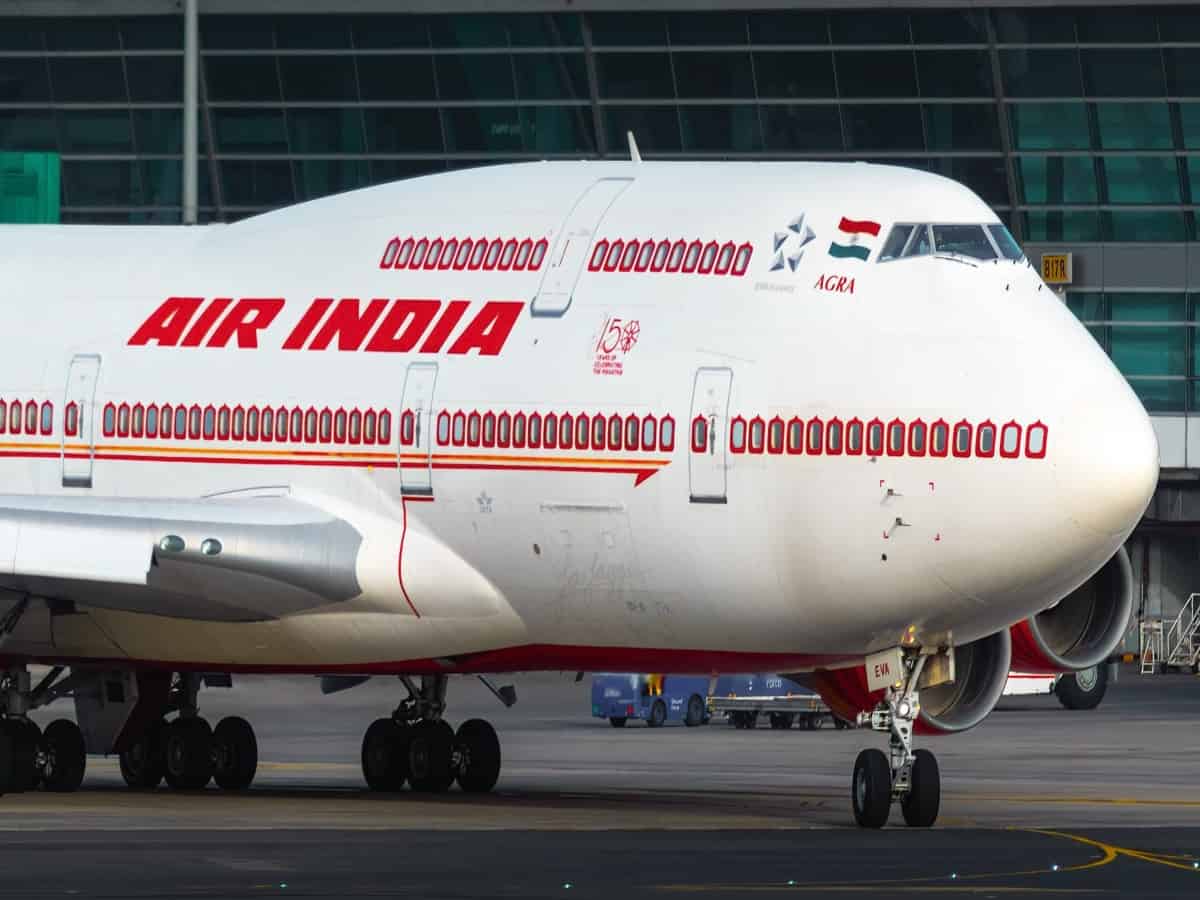
The Directorate General of Civil Aviation (DGCA) data show that Air India’s key operational parameters marked improvement after the Tata group took complete control of the national airline in January. The most important dramatic improvements have been noticed to Air India’s passenger local factor (PLF). From February to June, Air India has clocked an impressive 80 per cent load factor on its domestic services.
- PM Modi to Inaugurate Noida Airport on 28th March
- Fullife Raises Rs 300 Cr, IPO Plans a Few Years Away
- NBD Bank Gets Nod from Central Bank to Acquire Stake in RBL Bank
- LIC Gets Slammed with Rs 6,146 Crore Tax Demand
- L&T Tech Planning to Sell its Unit to AMI Paradigm Solutions
In the last year, when it was under government control, its domestic PLF stood at 60 per cent. In 2021, it managed a PLF of 68 per cent. This, in many ways, is a return to its 2019 PLF levels. And it still has some way to go to catch up with its competitors like IndiGo, SpiceJet, and GoFirst, which utilise their capacity better than the Tata-owned airline. After the takeover in January, the PLF’s international operations rose to 80 per cent from 63 per cent last year.
However, Air India hasn’t been able to translate that into greater market share. In June, its domestic market share stood at 7.5 per cent, considerably lower than the 10 per cent it had inherited in January.