 Live
Live
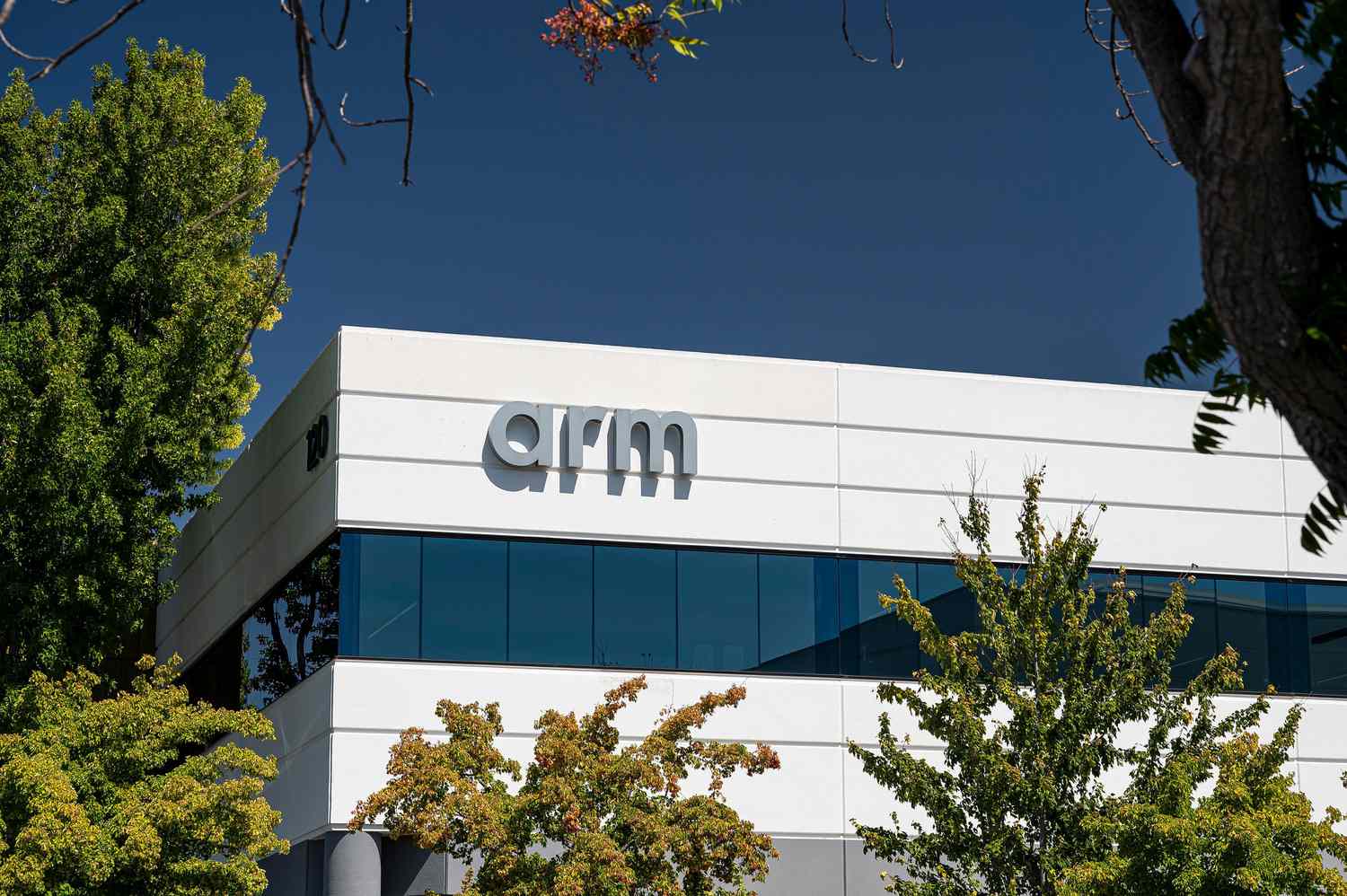
Arm Holdings Plc shares fell sharply after semiconductor businesses reported quarterly results, weighed down by concerns over a memory chip scarcity, which is stifling growth in the electronics industry.
The stock fell more than 8% in extended trading late after management announced that memory restrictions would limit phone production.
Qualcomm Inc. shares tumbled more than 9% in extended trading on Wednesday after the company’s guidance for the current quarter failed to impress investors. Qualcomm is the main manufacturer of smartphone processors, and ARM’s revenue is primarily derived from royalties on technology utilised in that industry.
The historic expansion of artificial intelligence infrastructure is causing a shortage of memory chips, which let computers manage data. Manufacturers of the components have focused on supplying AI data centres, leaving less manufacturing for phone components.
This means that fewer products will eventually reach customers, forcing them to pay higher costs.
“Industrywide, memory shortages and price increases are likely to define the overall scale of the handset industry,” Qualcomm CEO Cristiano Amon told analysts during a conference call. According to Amon, Chinese clients, in particular, have stated that they will make fewer phones than expected due to a shortage of memory chips.
Silver linings
Qualcomm and Arm, on the other hand, are well-positioned to capitalise on the AI boom. The corporations are positioning themselves to increase revenue from data centre operators, a move that should benefit them in the long term. However, they remain sensitive to swings in the smartphone market.
One silver lining is that phone manufacturers are prioritising the most expensive models. This boosts Qualcomm’s sales of high-end chips while also supporting Arm’s royalty revenue.
Other companies have highlighted concerns about the memory shortage. During a conference call this week, MediaTek Inc., a Taiwanese chipmaker, referred to the issue as a “evolving” situation. Meanwhile, Intel Corp. CEO Lip-Bu Tan predicted that the shortages will last for many years.
“There’s no relief as far as I know,” he said during an event Tuesday. Suppliers have told him that things won’t improve until 2028, Tan said.
The three largest makers of memory chips are Samsung Electronics Co., SK Hynix Inc., and Micron Technology Inc. Their technology is used to store data in everything from autos to cellphones, but a major priority right now is keeping up with AI demand.
To operate AI applications and services, data centres need an advanced semiconductor known as high-bandwidth memory, or HBM. Memory businesses have made significant investments in growing production of these components, at the expense of other supplies.
The industry is currently seeking to improve its entire capacity. But this will take time: constructing and equipping factories can take more than a year.
Tired of guessing stocks to trade in daily?
Tradz by EquityPandit empowers you with powerful tools like daily stock scans for Intraday, Swing & Investing, Market Predictions and much more. Download the Tradz by EquityPandit app today and take control of your investments!