 Live
Live
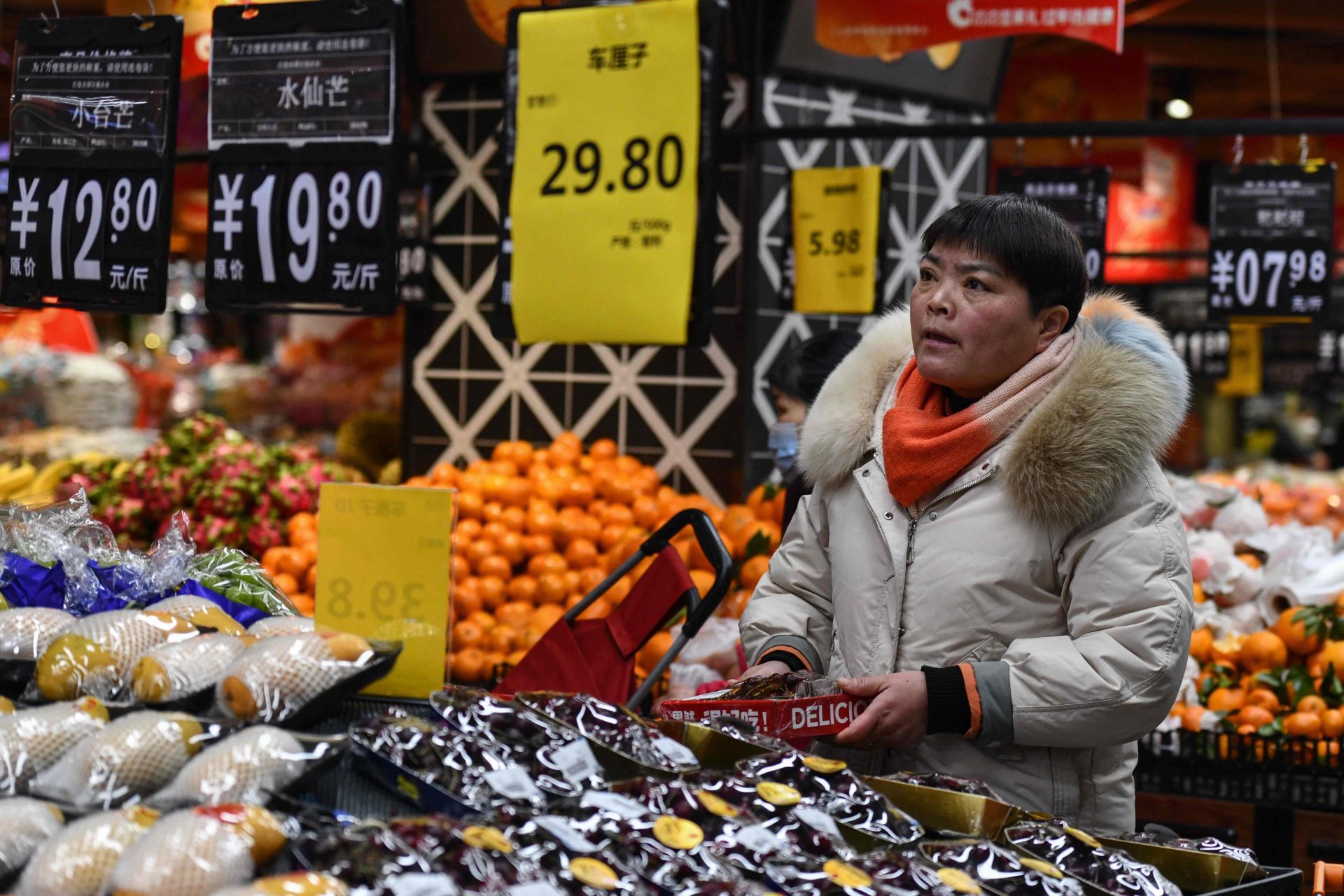
China’s consumer inflation rose at the fastest pace in more than three years in February. This rise was supported by higher energy prices and strong spending during the Lunar New Year holiday.
According to data released by the National Bureau of Statistics, the consumer price index (CPI) increased 1.3% in February from a year earlier. This was up from 0.2% in January and above market expectations.
Producer prices, however, remained in deflation for the 41st consecutive month. The producer price index fell 0.9% year-over-year, though the decline was smaller than the 1.1% drop forecast by analysts. Moreover, it marked the slowest fall since July 2024.
Economists say the inflation spike may be temporary. This is partly because the Lunar New Year holiday fell later this year, boosting consumer spending.
At the same time, rising global oil prices linked to tensions involving the US, Israel and Iran are adding pressure on energy costs. This is affecting inflation trends in China.
The data suggests that deflationary pressures in parts of the economy may be easing, though policymakers remain cautious. Beijing has been focusing on stabilising jobs and reducing excessive competition in key industries.
Authorities have also stepped up efforts to tackle industrial overcapacity. Economic planners recently highlighted sectors such as steel and oil refining for gradual capacity reduction.
Tradz by EquityPandit leverages advanced AI technology to provide you with powerful market predictions and actionable stock scans. Download the app today and 10x your trading & investing journey!