 Live
Live
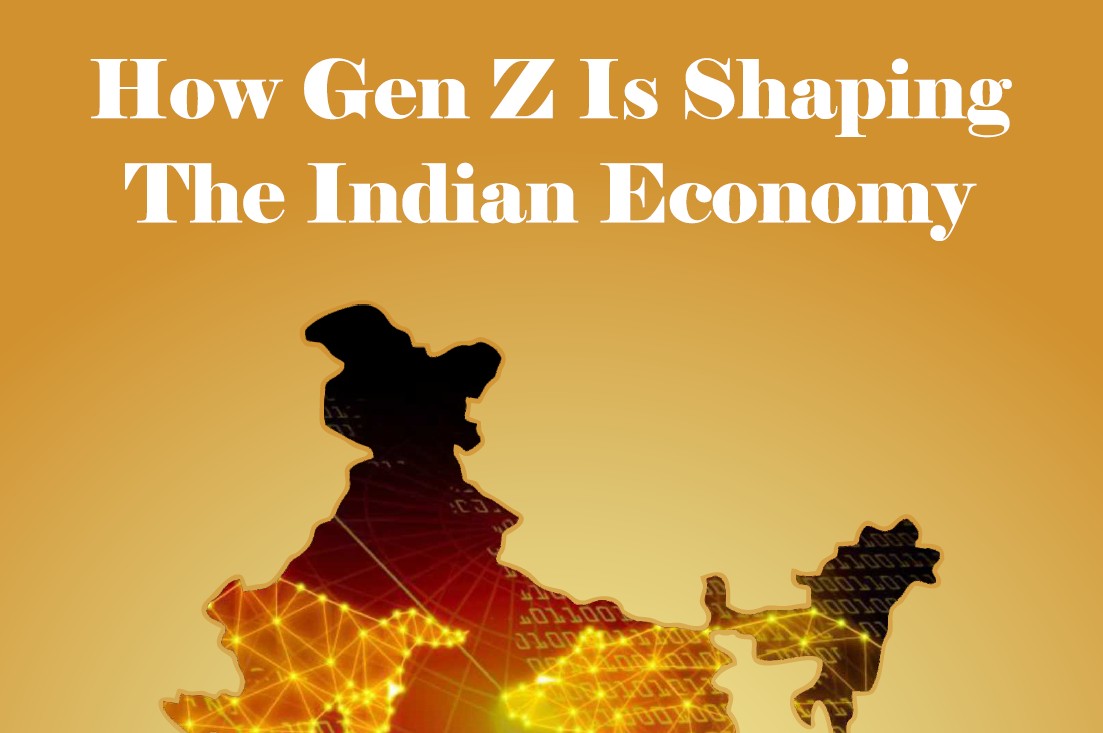
India is undergoing a powerful generational shift. Among its 1.4 billion people, Generation Z (born between 1997 and 2012) has emerged as a transformative force. Unlike any generation before them, they have grown up in a digital-first, hyper-connected, and globalised world. With smartphones in their hands, social media as their playground, and technology shaping their every interaction, Gen Z is redefining how India works, spends, saves, and aspires.
Their role in the economy is already visible. With 377 million members, they are India’s largest demographic group, representing nearly 27% of the population. They are not just consumers—they are employees, entrepreneurs, investors, and trendsetters who are shaping markets, industries, and even policymaking. Let’s dive into how this young generation is influencing the Indian economy, and what it means for businesses, investors, and policymakers.
Who is Gen Z in India: Size, Strength & Economic Position
- Gen Z is India’s largest generation ever, at around 377 million strong.
- As of 2024-25, about one in four Gen Zers are already part of the workforce.
- Their share in consumer spending is already significant. According to a joint BCG + Snap Inc. report, Gen Z accounts for 43% of India’s total-consumption spending (US$860 billion).
- This cohort is projected to reach US$2 trillion in spending power by 2035, meaning their influence on economic growth (consumer markets, services, tech, media) will only increase.
These numbers show that Gen Z isn’t just “the future”—they already are a major economic force.
Gen Z’s Spending Behaviour: Preferences & Patterns
Gen Z’s consumption isn’t just large in aggregate—it behaves differently:
- Direct vs. Influenced Spending
- Of the ~$860B Gen Z-related consumption, around US$200B comes from Gen Zers spending their own money (“direct spending”). The rest (US$660B) is “influenced spending” that includes purchases in their family/household or decisions influenced by them.
- This dual role, both as buyers and influencers, is important. Gen Z’s preferences impact household decisions on fashion, tech, food, outings, and even larger purchases.
- Category Preferences & Lifestyle
- Gen Z shows a strong preference for fashion & lifestyle, eating out / experiences, out-of-home entertainment, consumer tech, and beauty & personal care—each category has ~45-50%+ share of Gen Z-driven spending.
- They tend to value trends, experiences, brand identity, social influence and are less tied to legacy brands or status purely via name. Being trendy, socially connected, and “in the know” often matters more.
- Digital & Social Influence
- Gen Z’s discovery, research, and purchasing often happen via digital platforms, social media, and influencer content. Brand loyalty is less stable compared to earlier generations.
- They expect speed, convenience, transparency, and experiences (both online and offline) tied to their values (sustainability, authenticity).
Investment & Savings Habits: Early, Cautious, but Creative
Though major spending drives headlines, Gen Z is not all about consumption. Many show early interest in investing, savings, and financial security.
- Almost half of Gen Z India report living paycheck to paycheck, yet many are beginning to invest from internships, early jobs, or even small savings.
- When they invest, they prefer liquid, lower-risk, flexible formats, including mutual funds (especially via Systematic Investment Plans or SIPs), equities, and newer fintech-based platforms. Very often, they avoid locking large sums into illiquid or traditional assets (like large real estate) early on.
- Side hustles are common: many Gen Zers are creating multiple income streams like gig work, freelancing, part-time content creation, etc.—both to augment earnings and to gain financial independence. This also shapes how they perceive stability.
Values, Expectations & The “New Wallet” Norms
What Gen Z seeks isn’t just what they buy, but how and why they buy. Some key value shifts:
- Money + Meaning + Well-being: For many, financial security is tied to self-fulfilment, mental wellness, purpose, and experiences. Gen Zs often choose jobs that align with personal values or allow creative/spiritual fulfilment alongside earnings.
- Authenticity & Ethical Concerns: Sustainability, ethical sourcing, environmental impact and corporate values are part of their brand expectations. They prefer brands that “walk the talk.”
- Speed, Usability, Flexibility: Value convenience, digital experiences, instant services. Slow or clunky experiences (in fintech or retail) tend to lose their attention.
Gen Z’s Risks & Financial Challenges
Despite the potential, there are headwinds:
- Living Paycheck to Paycheck: Over 50% of Gen Z report that this is their day-to-day reality, implying a limited financial cushion.
- High Exposure to Consumer Debt / Fintech Loans: With easy credit and digital lending, some have already taken risky debt. Credit discipline, financial literacy, and avoiding over-leverage are important.
- Inflation and Cost of Living Pressures: Rising housing, education, tech, and lifestyle costs can eat into savings and delay long-term investment or asset ownership.
- Knowledge or Information Gaps: While they have better access to information, separating quality guidance from hype (especially online/social media) remains a challenge.
Impacts on the Indian Economy: Macro & Business Implications
Given these patterns, Gen Z is influencing the economy across multiple dimensions:
- Consumer Markets Shift
Brands are rethinking product design, supply chains, and marketing channels. Companies that respond to Gen Z’s preference for digital, for sustainability, or for “experiences over goods” are more likely to succeed.
- Fintech & Wealth Platforms Growth
Demand for user-friendly, app-centric investment platforms has increased. Onboarding, simple UI/UX, small ticket sizes, and easy access are tools they use. Traditional financial institutions are being pushed to modernise.
- Job Market Transformations
Gen Z’s values are pushing employers to offer career growth, flexibility, work-life balance, and remote/hybrid options. Also, demand for upskilling—especially in tech, digital, and AI— is on the rise.
- Savings and Long-Term Investment Trends
Though still early, the inclination towards equity, mutual funds, and even thematic investing provides capital for growth sectors. This flow of savings will fuel capital markets, entrepreneurship, and innovation.
- Policy & Public Infrastructure Needs
With rising expectations, there’s pressure on government & regulators for digital infrastructure, better financial education, consumer protection in fintech, regulation of online/influencer marketing, etc.
What Businesses, Brands & Policymakers Should Focus On
Given how rapidly Gen Z is changing things, what should businesses and policymakers do to align?
- Customer Insights & Segmentation: Understand behaviour in sub-segments of Gen Z (e.g. early-career vs. students vs. creative freelancers). One size doesn’t fit all.
- Digital First / UX Optimisation: Fast, mobile-friendly, transparent digital experiences; payment options; flexible models (subscriptions, rentals).
- Authenticity & Values: Brands that demonstrate sustainability, ethical supply chains, and inclusion tend to resonate more.
For policymakers:
- Strengthen financial literacy (especially digital & investment literacy).
- Regulate fintech / digital credit to prevent risky borrowing.
- Support the gig economy & startups which Gen Z flock to—through policy, infrastructure, and tax regimes.
Conclusion
Gen Z in India is no longer an emerging force, but they’re a central pillar of the economy today. With their spending power growing into the trillions, their preferences are not just reshaping consumer markets—they are reshaping how companies operate, how investments are planned, how employers offer work, and how public policy evolves.
For individuals, brands, investors, and policymakers alike, understanding Gen Z’s values, constraints, and opportunities isn’t optional, but it’s essential. Because the future of India’s economy will be, to a large degree, defined by how well the nation responds to what Gen Z demands and expects.
Tired of guessing stocks to trade in daily?
Unicorn Signals empowers you with powerful tools like daily stock scans for Intraday, Swing & Investing, Market Predictions and much more. Download the Unicorn Signals app today and take control of your investments!