 Live
Live
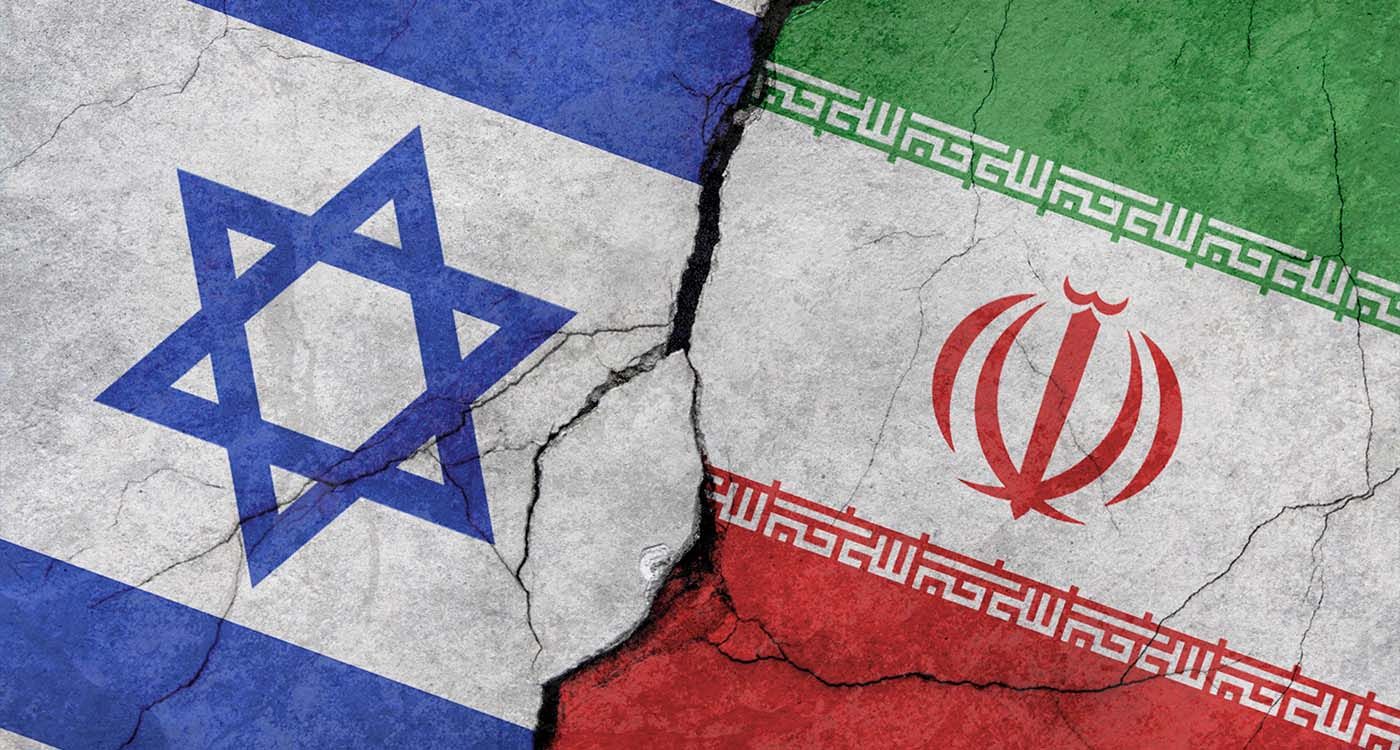
The Middle East, long known as the geopolitical heart of global oil supply, has once again become the center of rising international tensions. The escalating conflict between Iran and Israel in mid-2025, compounded by U.S. airstrikes and threats to key maritime routes, has introduced renewed volatility into global energy markets. For India, which is the world’s third-largest crude oil importer, the consequences are potentially significant. From higher pump prices to broader fiscal deficits, the ripple effects could touch every Indian household and business. This blog explores how the Iran-Israel conflict could shape India’s oil prices, trade balance, inflation trajectory, and overall economic stability.
1. The Strategic Strait of Hormuz
At the core of the crisis is the Strait of Hormuz, which is a narrow waterway through which over 20% of the world’s oil supply flows. Iran’s threat to close the Strait in response to Israeli actions has sent shockwaves through global markets. The Iranian Parliament has already greenlit the legal groundwork for such a move, pending approval from its Supreme National Security Council. Even if fully closing the Strait is unlikely, any threat or military activity around it (like missile launches or naval skirmishes) could disrupt oil supply chains, increase insurance and freight costs, and spark panic-buying in energy markets.
2. Immediate Oil Price Reactions
As tensions escalated:
- Brent crude surged to around $80 per barrel.
- U.S. crude (WTI) touched $77 per barrel.
- A potential $10-20 per barrel can be seen “geopolitical premium” if full-scale disruptions occur.
- Some forecasts place Brent as high as $110 per barrel in a worst-case scenario.
This immediate spike reflects both real and speculative risks in global oil logistics. For oil-importing nations like India, the impact is almost instantaneous.
3. Domestic Fuel Prices and Consumer Impact
India imports over 85% of its oil. Any rise in international crude prices eventually trickles down to the retail level. While the Indian government has mechanisms to buffer short-term shocks (such as adjusting excise duties or directing oil marketing companies), sustained high prices would result in:
- Higher petrol and diesel prices.
- Costlier LPG cylinders.
- Increased transportation and logistics costs.
This has a cascading effect on the price of essentials from vegetables to electronic goods.
4. Inflation Pressures and Monetary Policy Constraints
If crude breaches $100, analysts believe India’s inflation, which was below 5% in early 2025 could spike back to 6% or more.
- Food inflation could rise due to increased transport costs.
- Core inflation (non-food, non-fuel) may rise as input costs increase for manufacturing and services.
This puts the Reserve Bank of India (RBI) in a bind:
- It may need to delay planned rate cuts.
- In a worst-case scenario, it could even be forced to raise rates to anchor inflation.
5. Currency Volatility: Pressure on the Rupee
As oil prices rise, so does India’s import bill. In June 2025, the INR fell to its lowest in three months (around Rs 86.2/USD), pressured by higher crude prices.
To defend the rupee:
- The RBI might dip into its foreign exchange reserves.
- Foreign investment inflows could slow due to global risk aversion.
A weaker rupee, in turn, makes oil and other imports even more expensive, creating a vicious cycle.
6. Trade and Shipping Disruptions
The Gulf and West Asia account for a significant chunk of India’s exports, especially in sectors like chemicals, food products, engineering goods, and textiles.
- Port operations could be delayed due to heightened maritime security checks.
- Shipping insurance premiums are rising.
- Several exporters have already reported shipment rerouting and delays.
Even if India maintains neutral diplomatic relations, commercial routes through the Red Sea and Strait of Hormuz remain exposed.
7. Impact on India’s Oil Companies and Refiners
Companies like Indian Oil Corporation (IOC), Bharat Petroleum (BPCL), and Hindustan Petroleum (HPCL) are especially vulnerable.
- They might face margin compression due to the mismatch between rising global prices and domestic price controls.
- Upstream producers like ONGC may benefit in the short term but will face volatility if costs outweigh selling advantages.
- Refining costs and working capital requirements will increase.
Moreover, import-dependent firms across sectors, from airlines to paints and plastics, which will face higher input costs.
8. Broader Fiscal Impact
India’s fiscal policy could also take a hit:
- Higher oil subsidies may be required to cushion consumer impact.
- The current account deficit could widen, impacting fiscal deficit targets.
- Government spending on other schemes might be curtailed to offset oil-related expenses.
Sustained high oil prices could impact inflation, fiscal arithmetic, and growth.
9. Strategic Diversification and Import Strategy
India has taken several steps to buffer itself:
- Increased oil imports from Russia (currently 2+ million barrels/day), often at discounted rates.
- Diversified suppliers to include U.S., Brazil, and West Africa.
- Maintained strategic petroleum reserves to cover ~30 days of imports.
- Initiated diplomatic outreach to de-escalate the region, including a call by PM Modi to Iran’s President.
While helpful, these measures can only cushion limited disruptions. Prolonged conflict in the Middle East would still bite.
10. Long-Term Strategic Shifts for India
If the Iran-Israel tensions continue or expand, India will need to accelerate:
- Energy transition: Greater investment in solar, wind, and hydrogen.
- Public transport: Reduced fuel dependency via rail, metro, and EV infrastructure.
- Domestic oil exploration: Increased domestic production from ONGC and private players.
- Bilateral energy treaties: Secure long-term deals outside volatile regions.
Conclusion
The Iran-Israel conflict may be thousands of kilometers away, but its impact is deeply local. From the petrol pump to the grocery store, from your EMIs to your travel budget, the conflict has the potential to disrupt India’s economic stability if it escalates further. While India has buffers and strategies in place, the scale and duration of the crisis will ultimately decide how much it affects Indian households, businesses, and policymakers. For now, all eyes remain on diplomacy, crude futures, and the narrow waters of the Strait of Hormuz.
Ready to invest like a pro? Unicorn Signals app equips you with 100+ Free tools and knowledge you need to succeed. Download the Unicorn Signals app and gain access to daily stock lists and insightful market analysis and much more!