 Live
Live
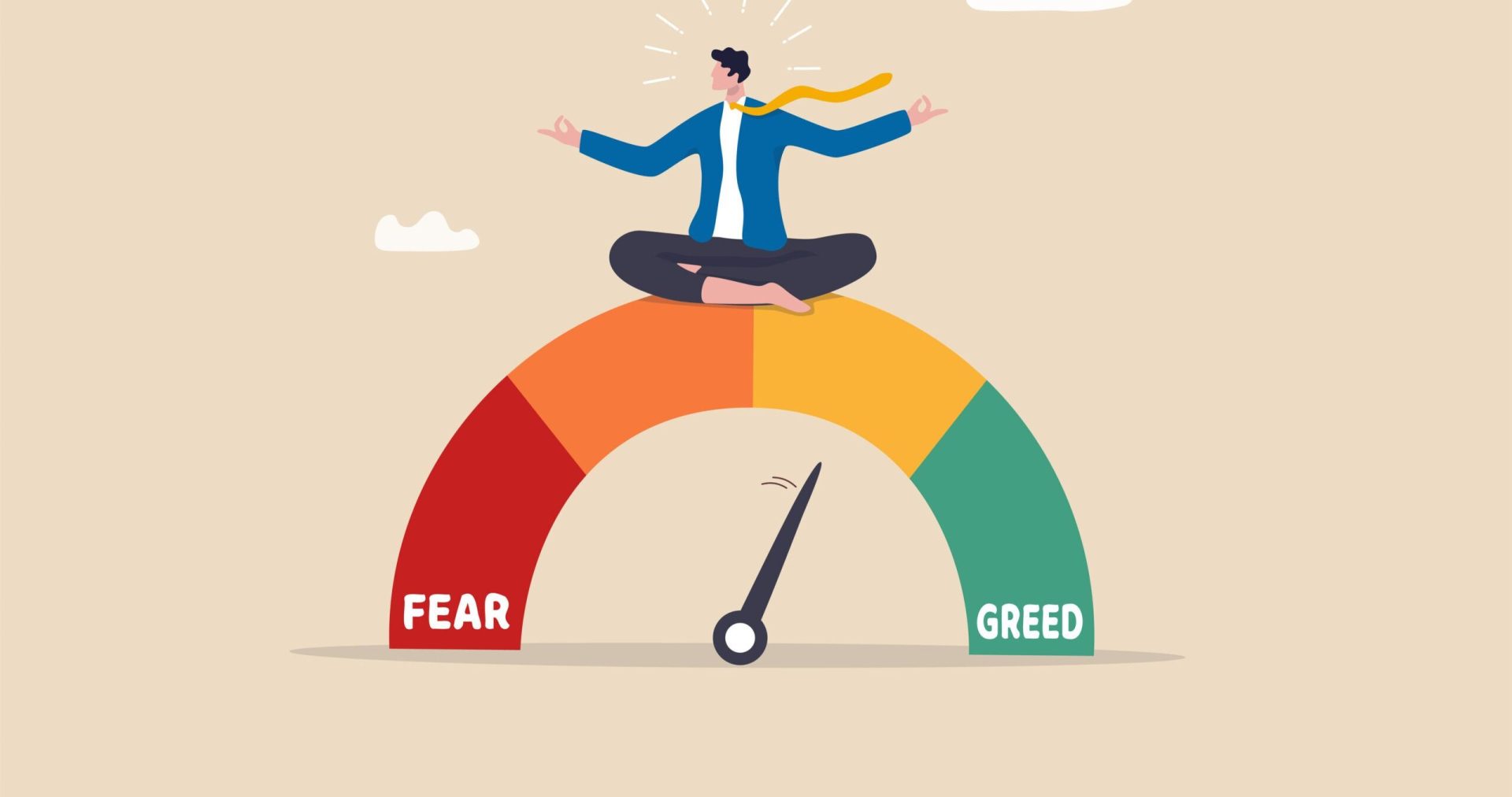
Trading in financial markets is a pursuit that involves both skill and psychology. While technical analysis, market trends, and economic indicators play a vital role, the emotional aspect of trading can often become the most influential factor in success or failure. Fear, greed, hope, and regret are just a few emotions that traders frequently encounter. These emotions can lead to impulsive decisions, missed opportunities, or even catastrophic losses if not managed properly. This blog explores the psychological dynamics of trading, focusing primarily on how to manage fear and greed. It provides practical strategies for building emotional discipline and creating a sustainable, rational approach to trading.
The Emotional Landscape of Trading
Emotions in trading are inevitable. Every time money is at stake, especially your own, emotional triggers are bound to surface. When a trade is going well, euphoria and overconfidence may kick in. Conversely, fear and panic can quickly take over when things are going south. The two most dominant emotions in trading are fear and greed.
- Fear: Fear in trading usually manifests in two primary ways: fear of losing money and fear of missing out (FOMO). The fear of incurring a loss can prevent traders from executing a well-thought-out strategy. It can cause them to exit trades too early, avoid opportunities, or second-guess themselves. Conversely, FOMO pushes traders into impulsive decisions, often leading them to buy at market highs or enter trades without sufficient analysis.
- Greed: Greed drives traders to take unnecessary risks in pursuit of higher profits. It can lead to overleveraging, ignoring stop-losses, or staying in trades for too long, hoping for more gain. Greed feeds the illusion that the market will always move in your favour, blinding traders to reality.
Strategies to Manage Fear
Start Small and Build Confidence: Begin your trading journey with small investments. The lower the stakes, the less likely fear will dominate your decisions. This also gives you room to learn and adapt without risking significant losses. As you gain experience and confidence, you can gradually scale up.
Educate Yourself: Lack of knowledge often fuels fear. Invest time in learning about the markets, different trading instruments, technical indicators, and risk management techniques. The more informed you are, the less likely you are to be paralyzed by uncertainty.
Develop and Follow a Trading Plan: A solid trading plan includes your entry and exit strategies, risk tolerance, and rules for managing trades. This structure helps you stay focused and reduces the chance of emotional decision-making. Stick to your pre-designed plan and avoid deviating from the item even when emotions tempt you to deviate.
Use Stop-Loss Orders: Stop-loss orders are very essential for managing risk and reducing fear. Knowing that your losses are capped helps you trade with more confidence. It also prevents you from making emotionally charged decisions during market volatility.
Desensitize Through Simulation: Demo accounts or paper trading allows you to simulate real-market conditions without financial risk. It helps in understanding your emotional responses and building resilience without the fear of actual loss.
Strategies to Manage Greed
Set Realistic Goals: Setting achievable goals keeps your expectations grounded. Greed often kicks in when traders expect extraordinary returns in a short time. By setting daily, weekly, or monthly targets, you align your expectations with market realities.
Stick to Your Trading Plan: Just as with managing fear, your trading plan serves as a compass during emotionally turbulent times. If your plan includes an exit at a certain profit level, honour it. Avoid the temptation to hold out for “just a bit more.”
Avoid Overleveraging: Leverage can amplify gains but also magnify losses. Many traders fall into the greed trap by overleveraging in pursuit of larger profits. Always use leverage responsibly and understand its implications.
Take Profits Regularly: Discipline yourself to take profits when your targets are reached. This habit curbs greed and ensures that you lock in gains rather than risk losing them due to market reversals.
Practice Gratitude: Gratitude is extremely powerful in counteracting greed. Remind yourself that steady, small wins are more sustainable than a rare huge windfall. Be happy with progress rather than obsessing over perfection.
Building Emotional Resilience
Maintain a Trading Journal: A trading journal helps keep track of your emotional state during the trades. Write down why you placed a trade, how you felt about it and what happened next. As time goes on, you’ll be able to spot emotional patterns and their triggers, which will help you combat them.
Practice Mindfulness and Stress Management: Mindfulness activities such as meditation, deep breathing, and visualization will cultivate your emotional control. These methods teach you to stay calm and focused through very stressful market situations.
Accept Losses as Part of Trading: Even the best of traders will experience losses. That is what defines their success or failure: accepting losses as part of the game and making decisions based on statistics and probability to the extreme over time.
Take Breaks: Trading can be mentally exhausting. Whenever you feel overwhelmed, take a break. Move away from the screen. Go for a walk or engage in some hobbies that seem relaxing to you. Clear minds make better decisions.
Seek Mentorship and Community Support: Surround yourself with experienced traders or join trading communities. Learning from others’ experiences and having someone to discuss your trades with can be immensely helpful in providing emotional and psychological morale.
How Technology Can Assist in Emotion Management
Automated Trading Systems: Through automated techniques, systems can keep emotions away from trading. The algorithms will place a trade when predetermined criteria are met, hence preventing any emotional intervention.
Alerts and Notifications: Set alerts for your price movements, trade entries, or exits. These reminders will force you to stay disciplined and drain your time, which is often counterproductive since it creates more anxiety and overtrading.
Risk Management Tools: Risk management tools like stop-loss, take-profit, and trailing stops are available on most platforms. Just set your stops and let them protect you, free of charge.
Conclusion
Trading is just as much a test of knowledge as it is a test of discipline. While market analysis and strategy development are important, your ability to manage emotions like fear and greed ends up determining your long-term success. Get acquainted with these emotions and establish structured ways to deal with them, and you’ll be able to trade with confidence and consistency. Remember, the objective is not to do away with the emotions but to manage them. Like any other skill, emotional discipline in trading comes with training, reflection, and conscious effort to keep polishing. Equipped with the right tools and mindset, you can master the psychological side of trading and set the stage for money-making.
Tired of missing hot stocks? Unicorn Signals provides powerful tools like stock scans and more help you make informed trading decisions. Download now and take control of your portfolio!