 Live
Live
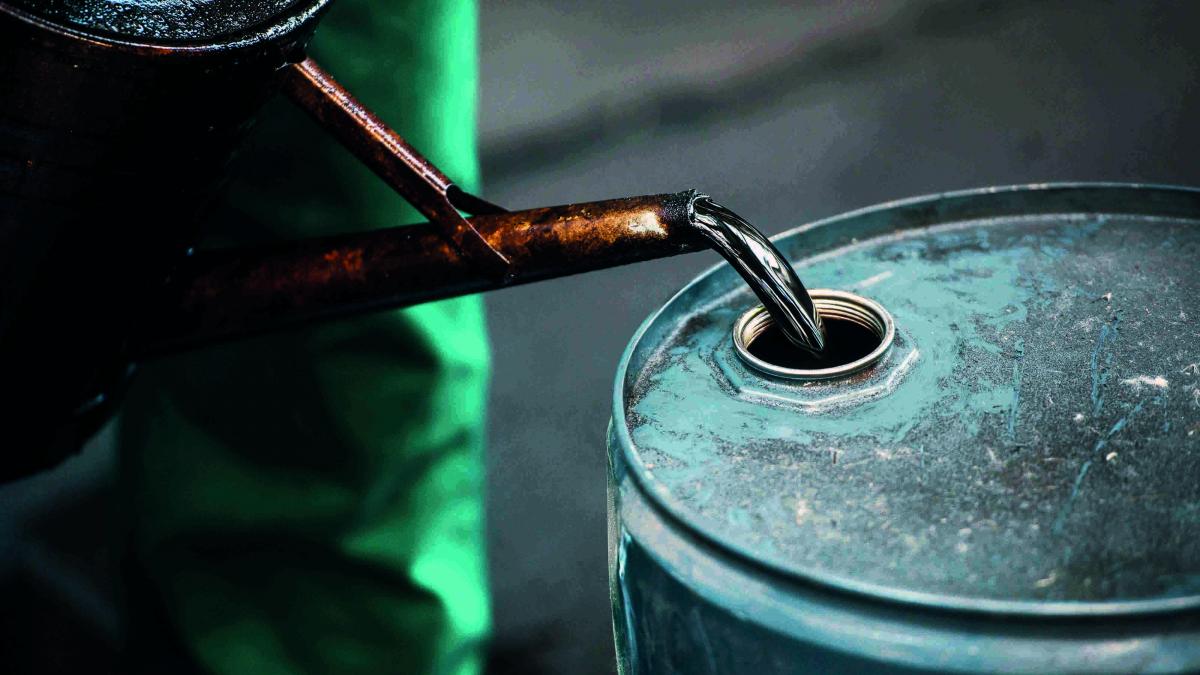
India is set to strengthen its energy security with the development of Phase II of its Strategic Petroleum Reserve (SPR) programme at an estimated cost of Rs 14,527 crore.
The new facilities will be built under the Public-Private Partnership (PPP) model, a move aimed at increasing the country’s emergency crude oil storage capacity while encouraging private sector participation.
The government plans to develop two new underground crude oil storage facilities at Chandikhol in Odisha and Padur in Karnataka. Under the approved framework, the government will provide viability gap funding of up to 60% of the total project cost, while private partners will build, operate, and maintain the facilities.
India currently has strategic petroleum reserves with a storage capacity of 5.33 million metric tonnes across Visakhapatnam, Mangaluru, and Padur. Once the second phase is completed, the country’s emergency crude storage capacity will increase significantly, improving its ability to deal with global supply disruptions and oil price volatility.
The decision comes at a time when geopolitical tensions and supply chain uncertainties have highlighted the importance of maintaining adequate energy reserves.
A larger strategic stockpile will help India reduce risks associated with disruptions in crude oil imports while ensuring a stable supply for domestic refineries.
The Phase II expansion marks another step in India’s long-term energy security strategy. By combining government support with private investment, the project is expected to enhance the country’s oil storage infrastructure and strengthen its preparedness against future global energy shocks.
Discover the next big investment! Tradz by EquityPandits’ IPO screener helps you identify promising initial public offerings. Download Tradz by EquityPandit and get ahead of the curve! Sign Up Now & Find Your Next IPO Gem!