 Live
Live
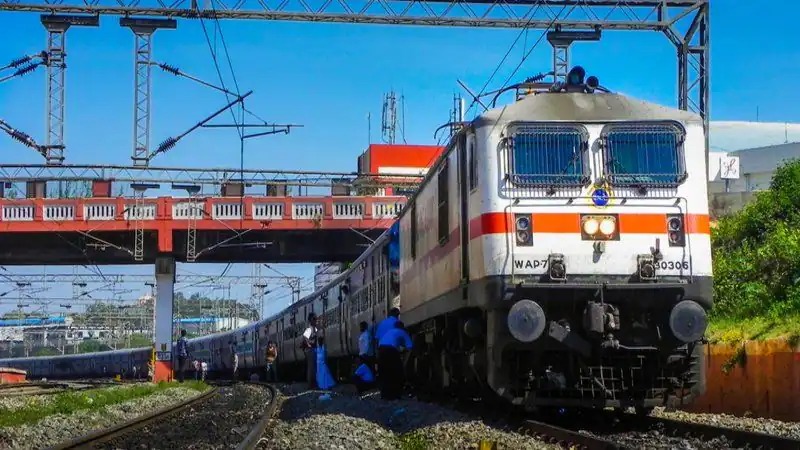
Indian Railways loaded 135.35 million tonnes of freight in September 2026, up 6.14% year-on-year, while freight revenue rose 9.3%.
Freight loading is the railways’ term for the weight of goods it puts on trains in a given period.
In plain terms, the railways carried about 7.8 million tonnes more than the 127.52 million tonnes it moved in September 2025. The figures were reported on 13 October.
Foodgrains led the gains. Loading jumped 25%, the sharpest rise among the major categories. Foodgrains are staples such as rice and wheat.
Clinker, the main ingredient in cement, grew 20%, and domestic container traffic, meaning boxes moving inside India, rose 10%.
Three categories grew by double digits: foodgrains, clinker and containers. Coal and the rest posted single-digit gains, and all eight categories named in the report grew.
Coal loading climbed 9%. The railways also pushed more of it to power stations, which rely on it to keep generating electricity.
Daily coal rakes, meaning full trains of wagons, averaged 443 in September against 397 a year ago. That is an increase of 11.6%.
Smaller categories moved up too. The catch-all group of other goods grew 8.2%. Mineral oil gained 6%, finished steel 5.5% and iron ore 5.2%.
Revenue did even better. Freight earnings rose by Rs 1,266 crore from September 2025, a gain of 9.3%, ahead of the 6.14% rise in loading.
The longer view is steadier. Between April and September 2026, the first half of the financial year, loading reached 833.7 million tonnes, up 4.1% from the same period last year.
Freight revenue over those six months grew 3.7%. So September ran ahead of the six-month pace on both counts.
Coal, foodgrains and industrial goods did much of the work. The next monthly figures will show whether that momentum holds.
Feeling overwhelmed by the markets? Let Tradz by EquityPandit be your guide. Our user-friendly app simplifies complex data and provides actionable trading signals. Download the app today and trade with confidence!