 Live
Live
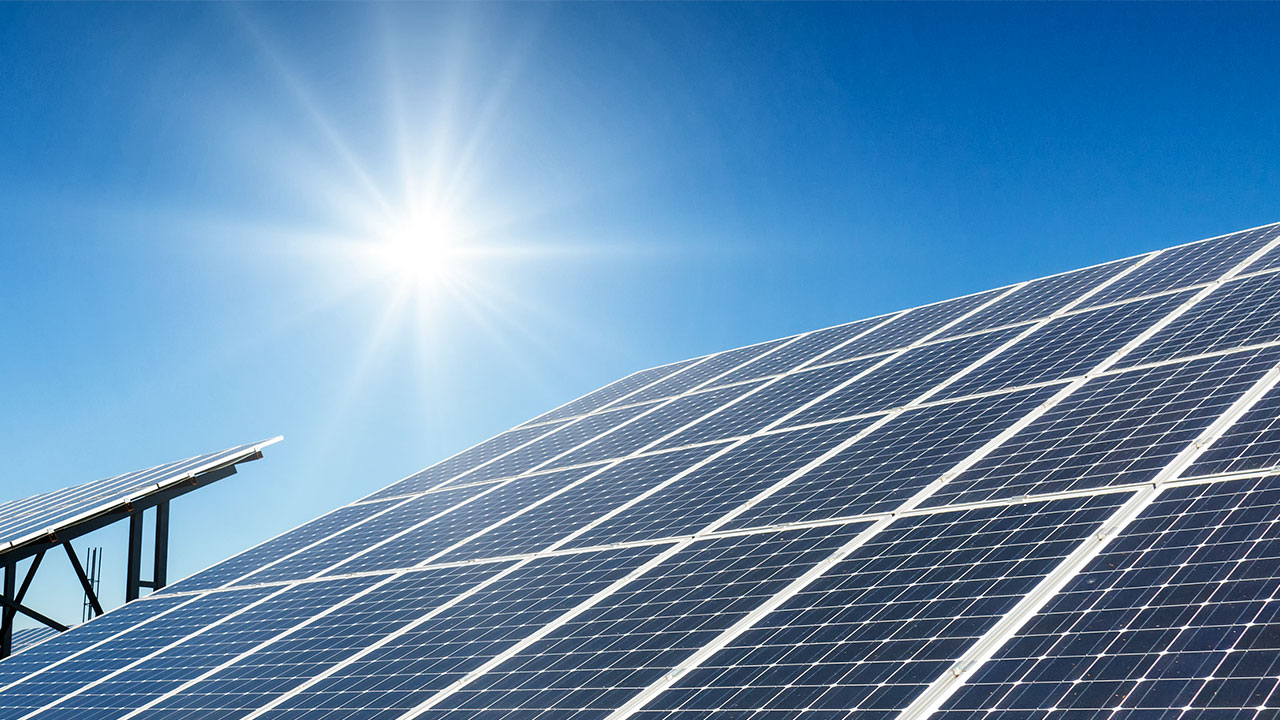
India’s power sector has reached a major milestone, with clean energy capacity overtaking fossil-fuel capacity for the first time.
According to the latest data from Ember and Global Energy Monitor, India now has around 331.7 GW of clean energy capacity compared with 302 GW of fossil-fuel capacity, marking a significant shift in the country’s electricity system.
The milestone is mainly driven by the rapid expansion of solar power. India’s solar capacity has grown from just 0.07 GW in 2010 to around 211 GW, bringing it close to the country’s coal capacity of about 254.4 GW. More than 75 GW of solar capacity was added between 2025 and mid-2026, compared with only around 3.8 GW of additional coal capacity during the same period.
However, the change in installed capacity does not mean that India has already moved away from coal for electricity generation. Coal still produces roughly 70% of the country’s electricity, as it provides reliable power around the clock and continues to support India’s rapidly growing electricity demand.
This makes India’s energy transition different from that of many developed economies. Renewable capacity is growing alongside, rather than immediately replacing, conventional power. India’s overall electricity demand is rising quickly because of economic expansion, industrial activity, urbanisation, cooling requirements and increasing electrification.
The next challenge will therefore be converting the growth in clean capacity into a larger share of actual electricity generation. This will require major investment in transmission networks, battery storage and flexible power systems so that solar and wind power can be used when generation from these sources is low.
The development is particularly important for India’s long-term energy security. A larger renewable base can reduce exposure to imported fossil fuels and provide an additional buffer against international fuel-price shocks and geopolitical disruptions.
For power companies and investors, the shift could create opportunities across renewable generation, transmission, battery storage, grid equipment and power-management technologies. At the same time, conventional power producers are likely to remain important because India’s expanding economy still requires dependable electricity.
The milestone therefore represents a change in the direction of India’s power system, rather than the end of the coal era. Clean energy now has the larger capacity base, but the next phase will determine whether India can translate that capacity advantage into a sustained reduction in coal’s role in electricity generation.
Ready to invest like a pro? Tradz by EquityPandit app equips you with 100+ Free tools and knowledge you need to succeed. Download the Tradz by EquityPandit app and gain access to daily stock lists and insightful market analysis and much more!