 Live
Live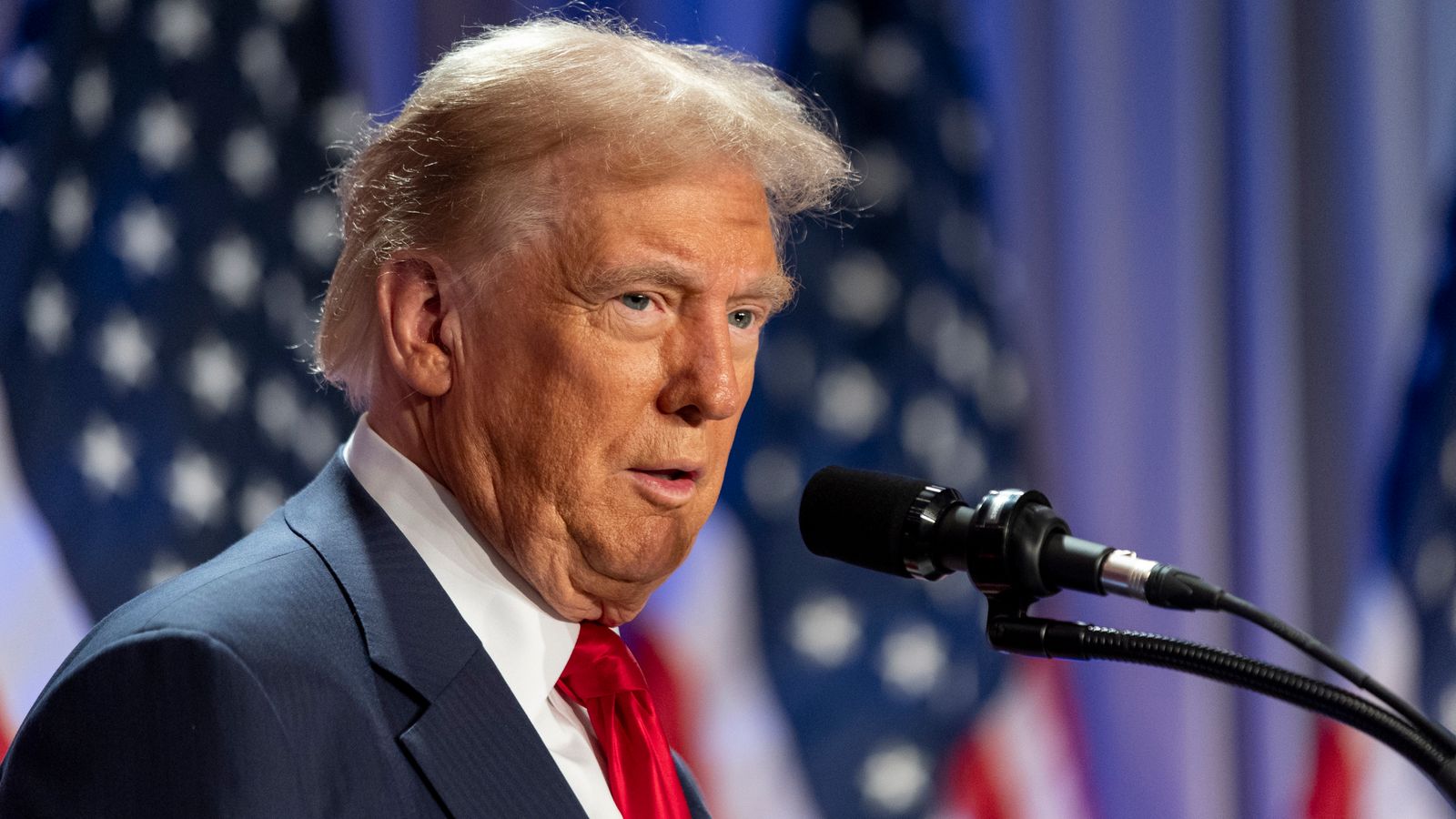
Iran has turned down a renewed ceasefire proposal from the United States, signalling that diplomatic efforts to ease the ongoing conflict remain at an impasse.
According to reports citing Iranian and Iraqi officials, Iraqi Prime Minister Ali al-Zaidi delivered the proposal to Tehran after holding talks with US President Donald Trump at the White House. While officials have not disclosed the full details of the proposal, Iranian authorities reportedly viewed it as a temporary arrangement that failed to address their primary concern—the future control and security of the strategically vital Strait of Hormuz.
During his visit, al-Zaidi met with Iranian President Masoud Pezeshkian, Parliament Speaker Mohammad Bagher Ghalibaf, and Foreign Minister Abbas Araghchi. Speaking after the meetings, Araghchi acknowledged that it was natural for the Iraqi leader to share insights from his Washington visit but reiterated Tehran’s criticism of US foreign policy, describing Washington’s approach as excessive and confrontational.
Both Iraq and Iran also reaffirmed that regional disputes should ultimately be resolved through dialogue and diplomacy.
The rejection comes as military tensions between Washington and Tehran continue to intensify. Recent US strikes have targeted Iranian military infrastructure, while Iran has responded with missile and drone attacks against American military assets across West Asia.
Reports indicate that Iranian military officials are preparing for the possibility of a broader conflict if the United States expands its operations against Tehran or critical national infrastructure.
Iranian officials have also warned that any further escalation could have wider regional consequences. They have suggested that the conflict could extend beyond Iran’s borders, potentially affecting key maritime trade routes such as the Bab al-Mandab Strait while maintaining that the Strait of Hormuz remains central to any future negotiations.
As diplomatic channels remain open but progress stalls, uncertainty continues to grow over the security of one of the world’s most important energy corridors and the broader stability of the Middle East.
Discover the next big investment! Tradz by EquityPandits’ IPO screener helps you identify promising initial public offerings. Download Tradz by EquityPandit and get ahead of the curve! Sign Up Now & Find Your Next IPO Gem!