 Live
Live
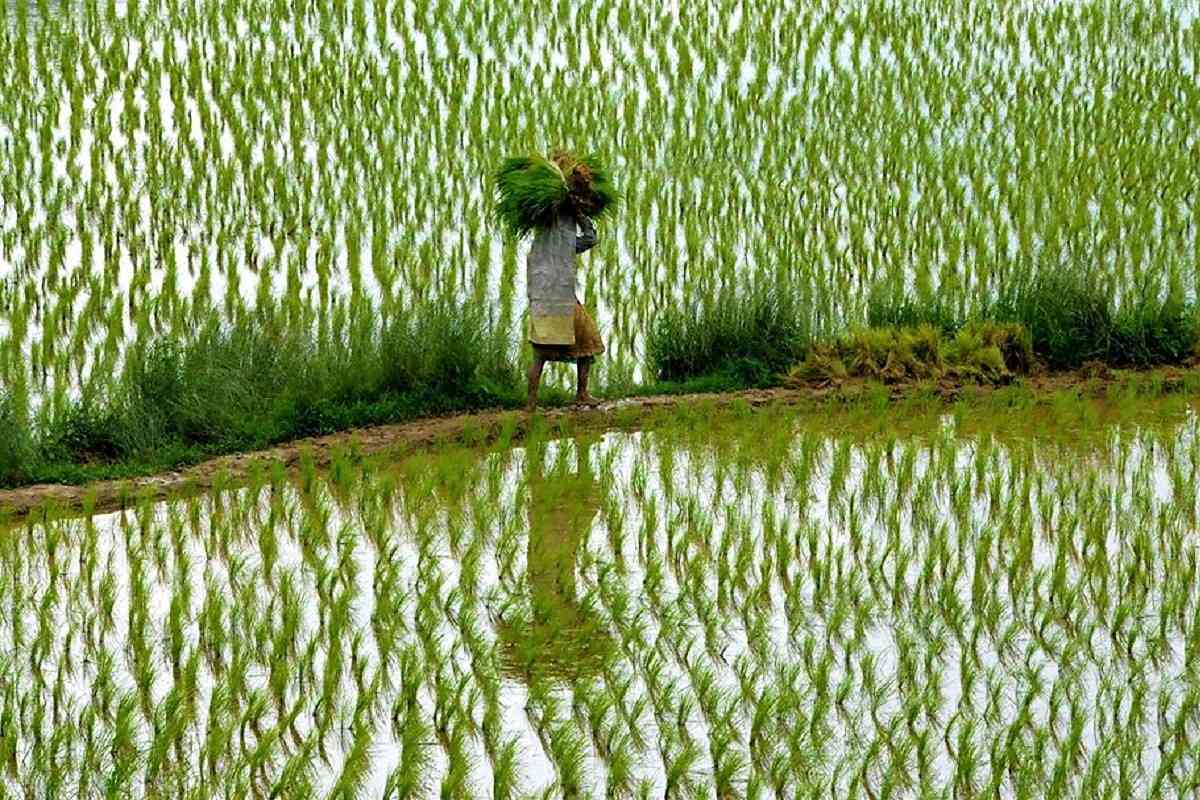
Maharashtra has declared drought across 265 of its 358 tehsils, covering nearly three-fourths of the state, after a significant shortfall in monsoon rainfall.
The development has raised concerns about crop output, rural demand and the wider economic impact, particularly if water shortages continue into the rabi season.
The state received 798.2 mm of rainfall between June 1 and September 26, against the normal 970.9 mm, leaving an 18% deficit. The impact has been sharper in regions such as Marathwada and Vidarbha. Marathwada recorded a deficit of around 38%, while Vidarbha’s average shortfall stood at about 27%.
The immediate impact is likely to be felt in agriculture. Prolonged dry spells have damaged crops, including soybean and tur, while concerns are also growing over drinking water and fodder availability.
The government has ordered crop-loss assessments, with financial assistance for farmers expected to be decided separately after these surveys.
The drought could also affect rural consumption. Lower farm income can reduce spending on consumer goods, two-wheelers, tractors and other discretionary products in affected areas. At the same time, weaker agricultural output could put pressure on food prices if supplies of key crops decline.
For Maharashtra’s finances, the relief measures could add to expenditure. The government has announced land revenue concessions, crop loan restructuring, a pause on agricultural loan recoveries and electricity bill concessions for farm pumps. It has also made provisions for drinking water, fodder and employment-related support.
The situation could become more important for markets if the rainfall deficit begins affecting industrial activity or consumer demand across a wider part of the state. Maharashtra is one of India’s largest economic centres, making changes in rural consumption relevant for sectors ranging from consumer goods and automobiles to agriculture-linked businesses and financial services.
The government is now preparing for the rabi season, with the Centre also planning an assessment of the situation. Agriculture Minister Shivraj Singh Chouhan has called for crop planning to be aligned with available water and soil moisture, particularly in water-stressed areas.
Tired of missing hot stocks? Tradz by EquityPandit provides powerful tools like stock scans and more help you make informed trading decisions. Download now and take control of your portfolio!