 Live
Live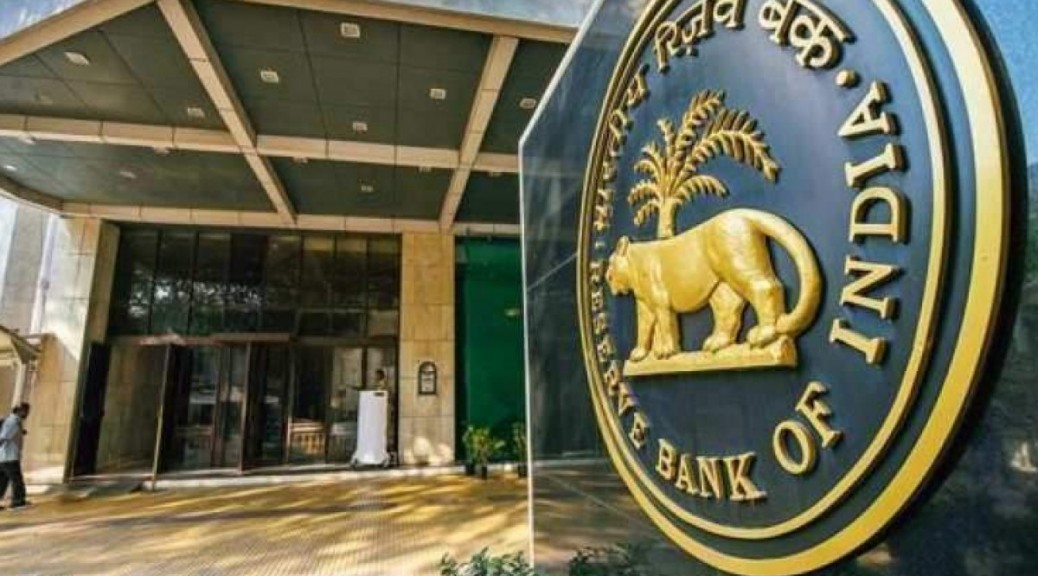
The Reserve Bank of India (RBI) on Wednesday announced a secondary market government security acquisition program (GSAP 1.0) wherein the central bank will purchase government bonds worth Rs 1 trillion from the secondary market in the first quarter of this fiscal. The first purchase of Rs 25,000 crore will take place on 15 April. “While laying out the liquidity management strategy for 2021-22, let me unequivocally state that the Reserve Bank’s endeavor is to ensure orderly evolution of the yield curve, governed by fundamentals as distinct from any specific level thereof. Our objective is to eschew volatility in the G-sec market in view of its central role in the pricing of other financial market instruments across the term structure and issuers, both in the public and private sectors,” RBI governor Das said on Wednesday while announcing the monetary policy statement first by-monthly monetary policy statement of fiscal 2021-22.
- Shares of Shriram Pistons skyrocketed 9% on Acquiring Antolin Lighting
- Stocks in Focus: Lloyds Engineering, SEAMEC, RailTel, and Others
- Overnight Stock Market Movements: Key Developments
- Stocks Under F&O Ban: Bandhan Bank, and Others
- India, Canada Hold Talks to Resume Trade Pact Negotiations
With this announcement, RBI has satisfied a long-standing demand of the bond market of an open market operation (OMO) calendar. So far, RBI had been announcing standalone and special OMOs to bring down yields, refusing to divulge details of a calendar in advance. This move of announcing an OMO calendar will give much-needed clarity to the bond market which is staring at a government borrowing program of Rs12 trillion this fiscal year. Meanwhile, the RBI today kept interest rates unchanged, as was widely expected, and also maintained its accommodative monetary policy amid concerns that rising coronavirus infections could derail the nascent economic recovery.
The RBI kept repo rate or its key lending rate at 4 per cent while the reverse repo rate or its borrowing rate was left unchanged at 3.35 per cent.