 Live
Live
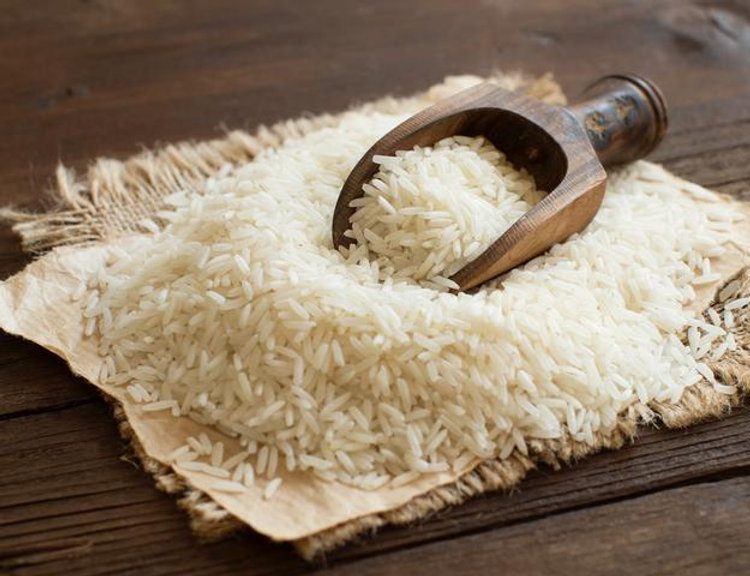
India’s rice exporters are facing rising pressure from global trade disruptions, prompting calls for policy support for a sector that accounts for nearly 20% of India’s agricultural exports, according to Rajesh Paharia of Kribhco Agri Business.
Paharia said the situation has worsened after a 25% US tariff on trade partners of Iran. This has affected one of India’s key basmati rice markets. Iran is the second-largest destination for Indian basmati rice, and the levy has added to existing challenges.
Exporters were already dealing with payment delays beyond 180 days, a weakening Iranian rial, banking restrictions, and higher shipping and insurance costs. The new tariff has further increased risks for exporters with exposure to Iran.
To address the issue, exporters have engaged with authorities such as APEDA. They are awaiting guidance from the Ministry of Commerce on risk mitigation and payment security.
On the domestic front, conditions are more supportive. Despite a bumper crop, rice prices have risen as demand for nutritional and value-added products increases. Paharia noted that basmati millers have introduced glycemic and low-glycemic rice, driving steady growth in domestic consumption.
This strength contrasts with global markets, where non-basmati rice prices are at an eight-year low due to oversupply. While the US market remains resilient due to demand from the Indian diaspora, Paharia said sustained policy backing will be crucial. This is important as exporters navigate rising trade complexities.
Ready to invest like a pro? Tradz by EquityPandit equips you with 100+ Free tools and knowledge you need to succeed. Download the Tradz app and gain access to daily stock lists and insightful market analysis and much more!