 Live
Live
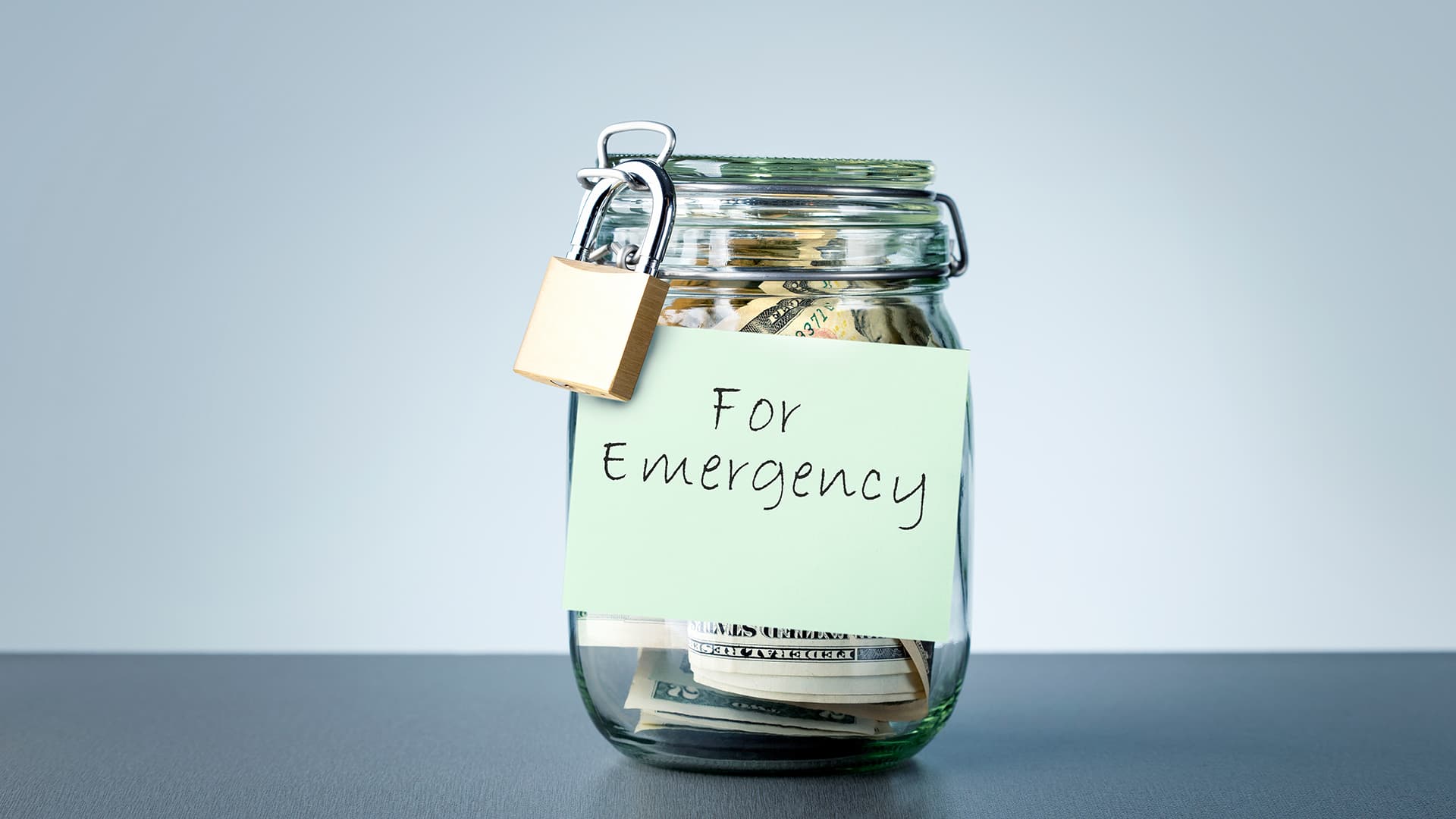
Life has a way of throwing curveballs when we least expect them. One day it’s a surprise medical bill, the next it’s a job loss or a car that breaks down on a busy Monday morning. These aren’t just minor inconveniences—they’re real stress tests. And what separates panic from peace of mind in these moments? A solid emergency fund.
It’s not about being pessimistic—it’s about being prepared. An emergency fund is your quiet, behind-the-scenes hero. It doesn’t brag, it doesn’t grow fast—but when things go sideways, it’s the first thing you’ll be glad you built.
What Exactly Is an Emergency Fund?
Let’s keep it simple. An emergency fund is money you set aside strictly for unexpected situations. Not for sales, vacations, or that new phone you’ve been eyeing. This is money that waits—patiently—until something truly urgent happens. Think medical bills, job loss, sudden travel, or house repairs.
You don’t invest this money. You don’t try to grow it. You keep it safe, liquid, and accessible.
Imagine it like your personal financial safety net. When life trips you up, this is what catches you—so you don’t fall into debt or disrupt your long-term financial plans.
So, Why Bother Having One?
Because life rarely gives a heads-up. And when emergencies strike, the last thing you want is to scramble.
Here’s how an emergency fund helps:
- You avoid high-interest credit card debt when things go wrong
- You don’t have to break into your long-term savings or stop SIPs
- You stay in control of your monthly budget, even during chaos
- You protect your peace of mind, knowing you’re not financially exposed
Think of it like emotional insurance. Knowing you’re covered changes how you handle stress—and that’s a powerful thing.
The Real Value of an Emergency Fund
It’s easy to underestimate the importance of a buffer—until you need one.
Let’s say you lose your job. Without an emergency fund, you might be forced to sell your mutual funds, stop your child’s tuition, or take a personal loan at high interest. That’s not just a financial hit—it’s a hit to your future plans.
With a well-built emergency fund? You buy yourself time and options. You can job-hunt without pressure. You can cover urgent costs without wiping out your savings. You can think clearly and act wisely.
That peace of mind? Priceless.
How Big Should Your Emergency Fund Be?
There’s no magic number for everyone—but there is a formula that works.
👉 Start by calculating your basic monthly expenses:
Rent, groceries, utility bills, insurance, EMIs, school fees, transport.
👉 Then multiply by how long you want to stay financially afloat without income:
- If you have a stable job → 3 to 6 months of expenses
- If you’re self-employed or your income is irregular → 6 to 12 months
Example:
If your essentials cost Rs 25,000/month, aim for Rs 1.5 lakhs for 6 months.
If you’re a freelancer with family responsibilities, Rs 3 lakhs (12 months) would offer stronger protection.
Start Small, Build Steady
You don’t need to save the whole amount overnight. Start where you can. Rs 1,000 a month? Great. Rs 5,000? Even better. The goal is consistency.
Let’s break it down:
- Monthly expenses: Rs 30,000
- 6-month target: Rs 1.8 lakhs
- Save Rs 10,000/month → reach in 18 months
- Save Rs 15,000/month → reach in 12 months
Got a bonus or freelance payout? Toss a part of that into your fund—it speeds up the process.
Review and Update Every Year
Your life changes—and so should your emergency fund.
If your rent increases, you take a loan, switch jobs, have a child, or start supporting parents, your expenses rise. Make it a habit to review your emergency fund once a year and update your goal accordingly.
Where Should You Keep Your Emergency Fund?
This money is not meant to grow fast—it’s meant to be safe and ready. That means no stocks, no real estate, and no long-term FDs.
A smart approach is to split your fund into two buckets:
1. Ready Cash (30–40%)
Keep this portion in your savings account or a sweep-in fixed deposit. You should be able to access this within minutes during an emergency.
2. Safe Buffer (60–70%)
Park the rest in liquid mutual funds or overnight funds. These are low-risk, slightly better than a savings account in returns, and you can withdraw them within 24 hours.
Example:
Let’s say your emergency fund target is Rs 2 lakhs.
- “Rs 70,000 can sit in your savings account”
- “Rs 1.3 lakhs can be parked in a liquid fund via a trusted app or AMC”
This way, you have instant access and don’t miss out entirely on returns.
What’s Not an Emergency Fund?
A quick reminder:
- It’s not your travel fund
- Not your Diwali shopping stash
- Not your backup for planned car upgrades
Keep it untouched. Label it separately if you must. This money serves only one purpose: emergencies.
Bottomline
An emergency fund doesn’t make your life perfect—but it makes it a lot easier when things go wrong. It’s one of the most practical, stress-saving habits you can build—and often the most ignored.
Start small, be consistent, check in every year, and store it smartly. You don’t build an umbrella when it rains—you build it before the clouds roll in.
So stash smart. Your future self will thank you.
Ready to invest like a pro? Unicorn Signals app equips you with 100+ Free tools and knowledge you need to succeed. Download the Unicorn Signals app and gain access to daily stock lists and insightful market analysis and much more!