 Live
Live
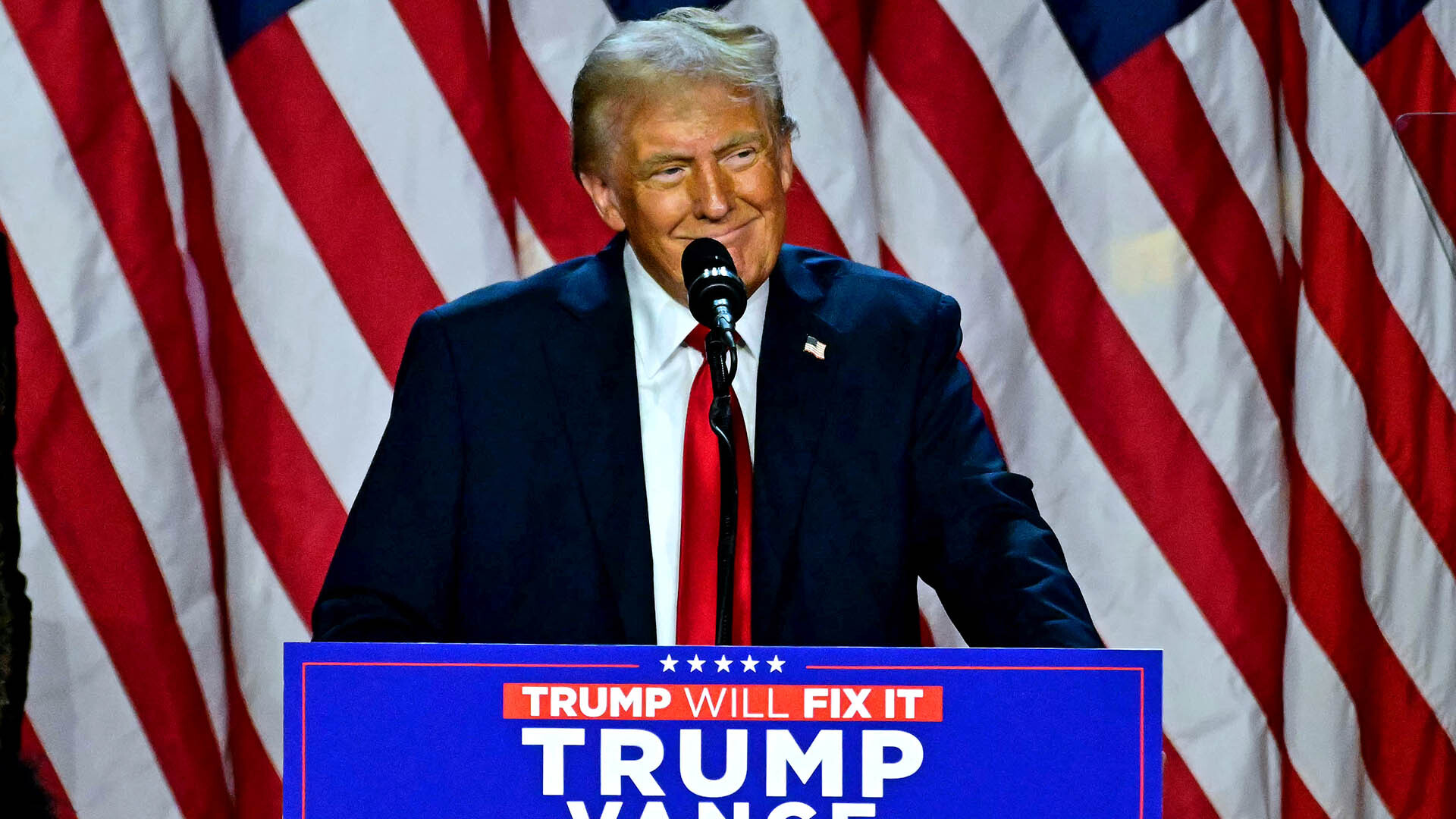
Global oil markets took a sharp hit after US President Donald Trump threatened to target Iran’s energy infrastructure and revealed that the Strait of Hormuz crisis could drag on for weeks longer than markets had anticipated.
The immediate trigger was Trump’s national address on April 1, where he vowed to bomb Iran “back to the Stone Ages” and outlined two to three more weeks of intense military strikes. The speech came after his March 30 remarks about seizing Iranian oil had already rattled traders. Neither address offered any plan to reopen the Strait of Hormuz, which Iran has effectively blockaded since the war began on February 28.
Brent crude jumped past $109 a barrel in the days following the speech. Before the war, oil was trading between $70 and $80. The gap tells the whole story; markets had priced in a short conflict. Trump made clear that it was wrong.
The stakes go well beyond the price at the pump. About 20% of global oil and liquefied natural gas passed through the Strait of Hormuz before the war. With Iranian forces seizing commercial ships and threatening tankers, shipping companies and insurers now treat the waterway as a high-risk zone. Freight costs have surged sharply, adding significant pressure to supply chains worldwide.
Analysts estimate nearly one billion barrels of crude and refined products will be lost by the end of April alone, comprising around 650 million barrels of crude and 350 million barrels of refined products.
For India specifically, the stakes are high. Asia depends more heavily on Middle East energy than any other region, and South Asia is expected to feel fuel shortages first, before the disruption spreads to Southeast Asia, Northeast Asia, and eventually Europe.
Diplomatic channels have offered little relief. Talks brokered through intermediaries, including Oman, have stalled. Iran is demanding full compensation and an end to the US naval blockade, while Washington shows no sign of conceding either.
Trump offered no concrete exit strategy. He predicted the Strait would reopen on its own once fighting stops, but analysts and Pentagon officials warn that mine-clearing operations alone could take months. Energy executives caution that broader disruptions to Gulf infrastructure may persist well beyond the end of active combat.
The broader risk is clear. What began as a military campaign has become a global supply shock. Until there is a credible path to reopening the Strait, oil prices, shipping costs, and inflation will stay elevated, and markets will remain on edge.
Unlock profitable opportunities every day! Tradz by EquityPandit provides actionable intraday trading signals for stocks and futures. Don’t miss out – download Tradz by EquityPandit and start winning now!